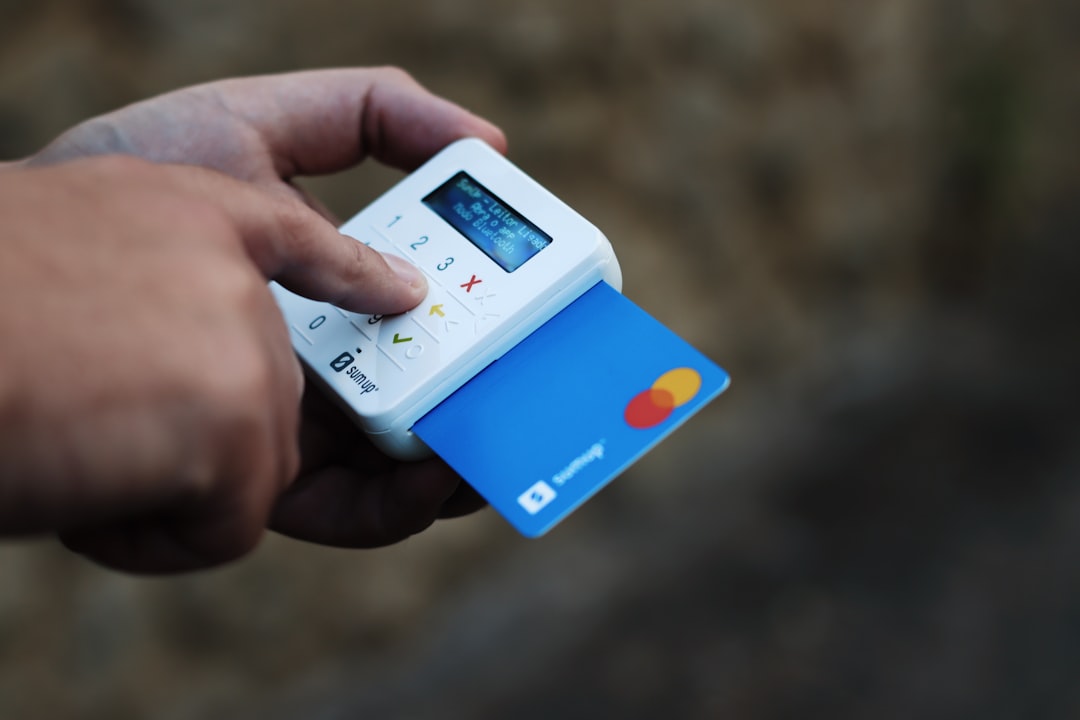
Secured Credit Cards: Building Credit From Scratch
Building credit from nothing feels like a catch-22. Lenders want to see credit history before approving applications, but how does someone establish history without access to credit? This frustrating loop keeps millions of Americans stuck.
Secured credit cards offer a practical way out. They work differently than traditional credit cards, requiring an upfront cash deposit that typically becomes the credit limit. That deposit reduces risk for the issuer, making approval possible even with no credit history or a damaged score.
How Secured Cards Actually Work
The mechanics are straightforward. A consumer deposits money-usually between $200 and $2,500-with a card issuer. That deposit serves as collateral and generally determines the credit limit. Someone who deposits $500 gets a $500 limit.
The card then functions like any other credit card. Purchases accrue, monthly statements arrive, and payments come due. The critical difference? That issuer reports payment activity to the three major credit bureaus: Equifax, Experian, and TransUnion.
This reporting is where the credit-building magic happens. Each on-time payment adds positive data to a credit file. Over months of responsible use, a credit score begins to form or improve.
One common misconception: the deposit isn’t used to pay the monthly bill. Cardholders still need to make payments from other funds. The deposit sits untouched unless the account becomes severely delinquent or closes.
Selecting the Right Secured Card
Not all secured cards are created equal. Some charge annual fees of $50 or more. Others waive fees entirely. A few even offer modest rewards on purchases.
Key factors to evaluate:
Reporting practices matter most. Confirm the issuer reports to all three bureaus monthly. Some smaller issuers only report to one or two, which limits credit-building impact.
Fee structure affects the true cost. Annual fees, application fees, and monthly maintenance charges eat into value. Several major issuers-Discover, Capital One, Bank of America-offer secured cards with no annual fee.
Upgrade path determines long-term value. The best secured cards automatically review accounts for graduation to unsecured status after 6-12 months of responsible use. Upon graduation, the deposit returns while the credit line remains.
Minimum deposit requirements range from $49 to $500. Lower minimums provide easier entry points for those with limited savings.
A 2023 Consumer Financial Protection Bureau study found that secured card users who maintained utilization below 30% and made all payments on time saw an average FICO score increase of 30-50 points within the first year.
Building Credit Strategically
Simply having a secured card isn’t enough. How someone uses it determines results.
Credit utilization-the percentage of available credit being used-accounts for roughly 30% of a FICO score. Keeping balances low relative to the limit sends positive signals. Most experts recommend staying below 30% utilization, with under 10% being ideal.
With a $300 limit, that means keeping the balance under $90, preferably under $30. Making multiple payments throughout the month can help manage this.
Payment history carries even more weight at 35% of the score. A single payment 30 days late can drop a score by 80-100 points. Setting up autopay for at least the minimum payment prevents this catastrophic mistake.
Length of credit history matters too. Keeping a secured card open-even after graduation to an unsecured product-extends average account age. Closing that first account later can actually hurt a score.
Timeline Expectations
Patience is essential - credit building isn’t fast.
Most secured card users need 6-12 months of consistent positive behavior before seeing meaningful score improvement. Some issuers won’t even consider graduation to an unsecured card until 12 months of on-time payments.
The first FICO score typically appears after six months of credit activity. Before that point, a consumer remains “credit invisible”-with no score at all.
A realistic progression looks something like this:
- Months 1-3: Card reported to bureaus, thin file established
- Months 4-6: Initial score generated, typically in the 580-650 range
- Months 7-12: Score climbs with continued positive behavior
- Month 12+: Potential graduation, deposit refund, additional credit products accessible
This timeline assumes consistent on-time payments and low utilization. Missteps reset the clock.
Common Mistakes That Derail Progress
Several errors can undermine credit-building efforts.
Maxing out the card tanks utilization ratios immediately. Even if paid in full by the due date, the balance reported to bureaus is often the statement balance-which could show 90%+ utilization. Paying down before the statement closing date solves this.
Applying for multiple cards simultaneously generates hard inquiries that temporarily lower scores. Each inquiry can cost 5-10 points. Spacing applications at least six months apart minimizes damage.
Closing the account prematurely eliminates its positive history from the credit mix. That first card should stay open for years, even if unused.
Missing payments-even by a day-risks late fees. Payments 30+ days late get reported to bureaus and cause significant score damage that takes years to fully recover from.
Beyond the Secured Card
A secured card is a starting point, not an ending point. Once a foundation exists, other credit-building tools become accessible.
Credit-builder loans from credit unions add installment loan history to the mix. Having both revolving credit (cards) and installment credit (loans) improves the credit mix component of scoring models.
Authorized user status on a family member’s long-standing account can boost average account age. The primary cardholder’s payment history on that account also appears on the authorized user’s report.
Unsecured cards become attainable after 12-18 months of secured card success. These offer higher limits, better rewards, and no deposit requirement.
According to Experian data from 2024, consumers who started with secured cards and added a credit-builder loan within the first year reached “good” credit (670+ FICO) an average of four months faster than those using a secured card alone.
Is a Secured Card Right for Everyone?
They’re not the only option.
Some consumers qualify for unsecured cards designed for fair credit-Discover it, Capital One Platinum, and others. These skip the deposit requirement entirely. Checking for pre-qualification without a hard inquiry reveals whether approval is likely.
Credit-builder loans work well for people uncomfortable with credit cards or prone to overspending. The fixed payment structure removes temptation.
Becoming an authorized user requires no application and no deposit. But it depends on having a trusted person with excellent credit willing to add someone to their account.
For most people starting with no credit history, though, a secured card remains the most direct path. The combination of accessibility, predictable mechanics, and straightforward graduation makes it the standard recommendation from most financial advisors.
The Bottom Line
A secured credit card turns a deposit into a credit-building tool. Used responsibly over 12-18 months, it can transform a non-existent credit file into a solid foundation for future financial opportunities-mortgages, auto loans, apartment rentals, and more.
The process requires patience and discipline. No shortcuts exist. But the math is simple: consistent on-time payments plus low utilization equals rising scores. And that rising score opens doors that remain firmly shut for the credit-invisible.