Store Credit Cards: Pros and Cons You Should Know
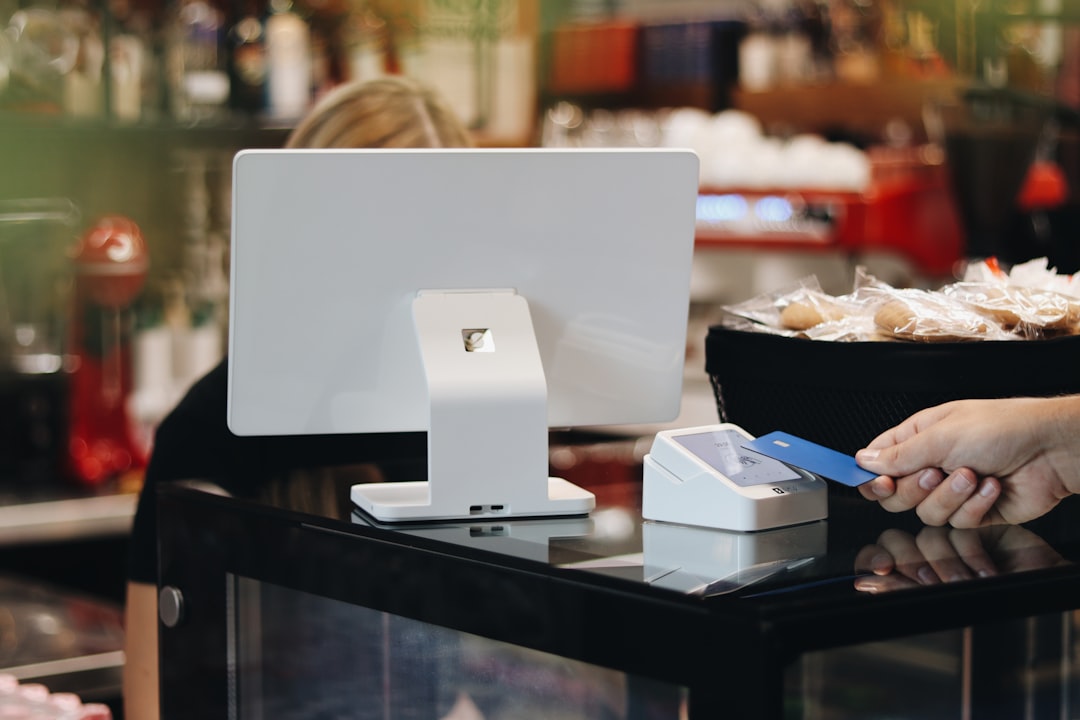
Store credit cards occupy a peculiar space in the financial area. Retailers push them aggressively at checkout-often dangling a 15-20% discount on your purchase-while financial advisors frequently warn against them. So what’s the real story?
The truth sits somewhere in the middle. These cards can be genuinely useful tools for certain shoppers. For others, they’re a trap that leads to high-interest debt and damaged credit scores.
How Store Credit Cards Actually Work
Store credit cards come in two varieties: closed-loop and open-loop.
Closed-loop cards work only at the issuing retailer and its affiliated brands. A Target RedCard, for instance, functions exclusively at Target stores and on Target. com. These cards typically have lower credit requirements, making them accessible to consumers building or rebuilding credit.
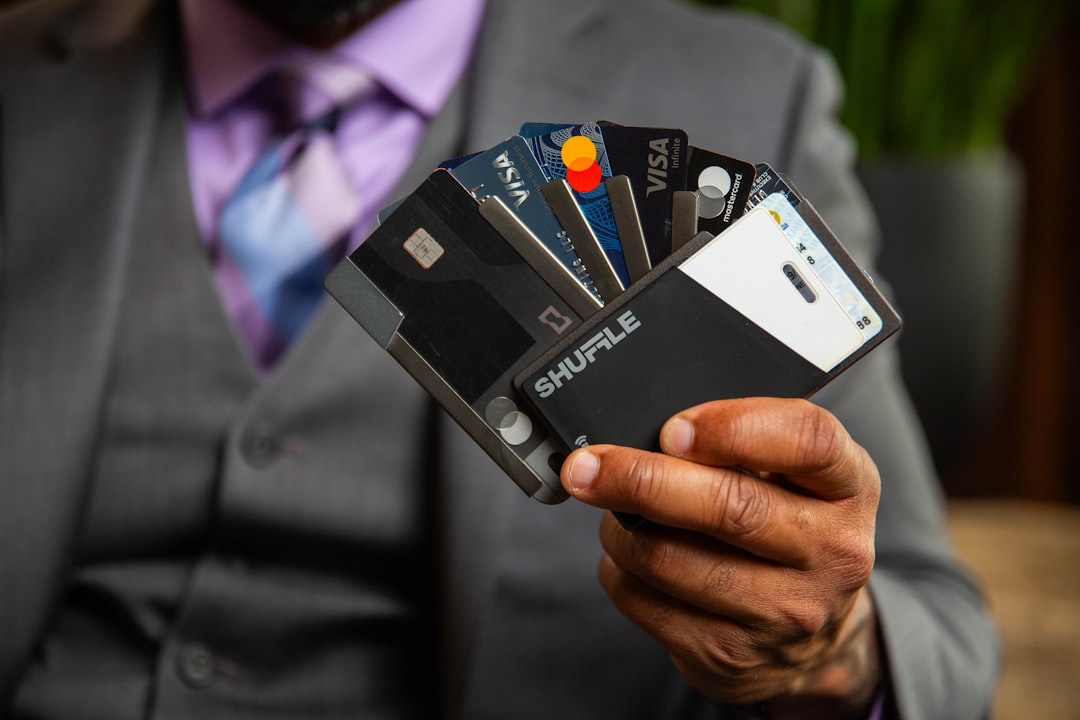
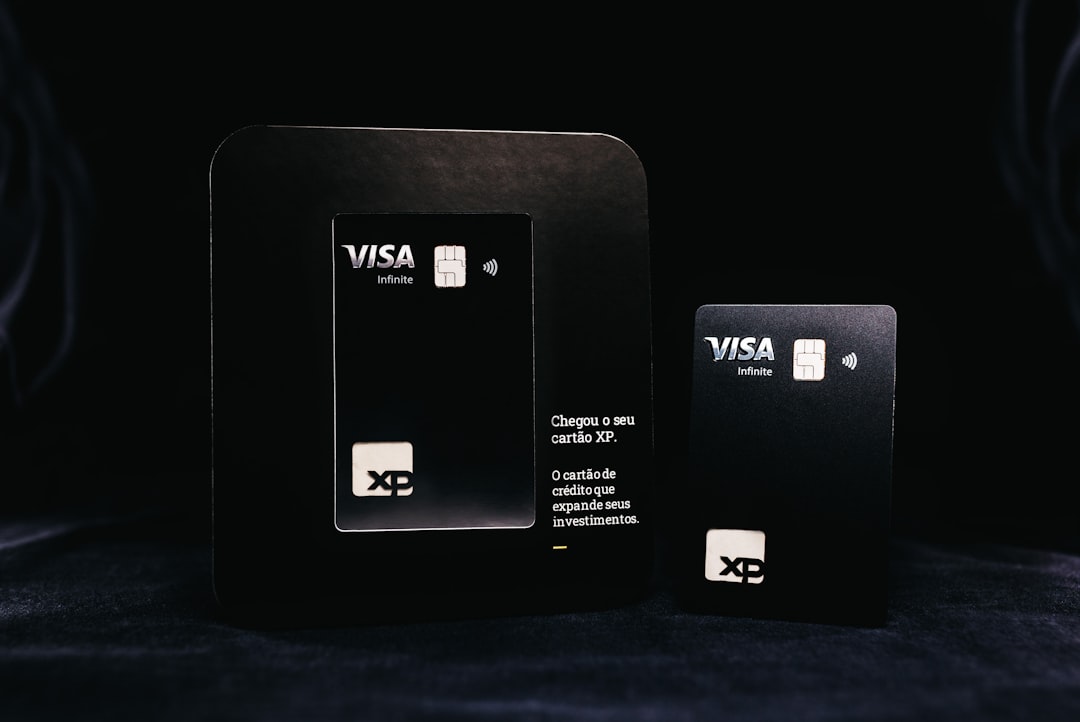
Open-loop store cards carry a Visa, Mastercard, or American Express logo. The Costco Anywhere Visa and Amazon Prime Rewards Visa fall into this category. You can use them anywhere that network is accepted, though you’ll earn higher rewards at the affiliated retailer.
According to a 2023 Consumer Financial Protection Bureau report, Americans hold approximately 562 million retail credit card accounts. The average store card carries an APR of 28. 93%-significantly higher than the 22 - 77% average for general-purpose cards.
The Genuine Advantages
Substantial sign-up discounts represent the most tangible benefit. That 20% off your first purchase isn’t nothing. On a $500 furniture purchase, you’re saving $100 immediately. Retailers understand the lifetime value of capturing a cardholder, which is why these initial offers tend to be generous.
Ongoing rewards for loyal shoppers can add up. Kohl’s Cash, Target’s 5% discount, and similar programs reward consistent spending. A family that spends $300 monthly at Target saves $180 annually through the RedCard-real money by any measure.
Special financing offers on large purchases provide another advantage. Many store cards offer 0% APR for 12-24 months on purchases above a certain threshold. This can make expensive items like appliances or furniture more manageable. But here’s the catch: most of these are deferred interest promotions. Pay off the balance one day late, and you owe interest retroactively calculated from the purchase date. That $1,200 refrigerator could suddenly cost $1,450.
Credit-building opportunities exist for those with thin credit files. Store cards often approve applicants with credit scores in the 600-650 range. Used responsibly-small purchases paid in full each month-they can help establish positive payment history.
The Real Downsides
High interest rates stand as the primary concern. That 28. 93% average APR means carrying a $1,000 balance costs roughly $24 in monthly interest charges. For context: a balance paid over 18 months at this rate incurs approximately $250 in total interest. The math gets ugly fast.
Low credit limits create utilization problems. Many store cards start with limits between $300-$1,000. Charge $250 on a $500 limit card and you’ve hit 50% utilization-a level that can negatively impact credit scores regardless of payment history.
Retail therapy temptation is real and documented. A 2022 study by the Journal of Consumer Psychology found that store cardholders spend 28% more per transaction than cash or debit customers at the same retailers. The psychological ownership that comes with “your” Nordstrom card or “your” Home Depot account encourages spending.
Hard credit inquiries accompany every application. One inquiry typically drops a credit score by 5-10 points temporarily. Apply for three store cards during holiday shopping season and you might see a 15-30 point decline that takes 6-12 months to recover fully.
Who Should Consider Store Cards
Store cards make sense for specific shopping patterns. Consider one if you:
- Spend $200+ monthly at a single retailer consistently
- Always pay credit card balances in full
- Have the discipline to ignore aggressive credit limit increase offers
- Need to build credit history and understand the limitations
The Target RedCard works well for families doing regular household shopping. The Costco Anywhere Visa offers solid value for Costco members who maximize its 4% gas rewards. This Amazon Prime Rewards Visa earns 5% back on Amazon purchases for Prime members who shop there frequently.
Retailers want these cards in your wallet. A McKinsey analysis found that store cardholders visit their affiliated retailer 34% more frequently than non-cardholders. Retailers aren’t being generous-they’re acquiring valuable customers.
Who Should Avoid Them
Store cards become problematic when:
- You carry credit card balances month-to-month
- Your shopping at any single retailer is sporadic
- You’re susceptible to impulse purchases
- You’re planning a major loan application (mortgage, auto) within 6 months
A general-purpose cash back card often provides better value anyway. The Citi Double Cash earns 2% on everything. The Chase Freedom Unlimited offers 1. 5% with occasional 5% category bonuses. Neither locks you into a single retailer’s system.
Reading the Fine Print
Store card terms contain several items worth scrutinizing:
Deferred interest clauses differ from true 0% APR offers. True 0% promotions charge no interest during the promotional period, period. Deferred interest promotions charge full retroactive interest if any balance remains after the promotional period ends. The distinction matters enormously.
Credit limit assignment varies widely. Don’t assume you’ll receive the limit advertised in marketing materials. Issuers base limits on credit profiles, income, and existing obligations.
Annual fee structures on some premium store cards (like the Nordstrom Visa Signature) require evaluation. That $90 annual fee needs justification through rewards earned.
Authorized user policies at some retailers allow adding family members without hard inquiries. This can help younger family members build credit-or create liability if spending gets out of control.
Strategic Approaches
If you decide a store card fits your situation, some strategies minimize risk:
Apply only when making a substantial purchase that justifies the sign-up discount. That 20% off matters less on a $40 transaction than a $400 one.
Set up autopay for the full balance immediately. Remove the temptation to carry debt at 28%+ interest.
Request credit limit increases after 6-12 months of positive history. Higher limits improve utilization ratios without requiring additional spending.
Monitor promotional period end dates religiously. Set calendar reminders one month before any deferred interest offer expires. Pay balances early.
Consider closing accounts with annual fees if you’re not generating sufficient rewards to offset them. Yes, closing cards can impact credit scores through reduced total credit, but paying a $90 fee for a card you don’t use makes no sense.
The Bottom Line
Store credit cards aren’t inherently good or bad financial products. They’re tools that work well for disciplined shoppers with concentrated spending patterns and poorly for everyone else.
The math isn’t complicated. If you’ll spend enough at a specific retailer to generate meaningful rewards, pay your balance monthly, and resist the urge to overspend, these cards offer legitimate value. If any of those conditions don’t apply, a general-purpose rewards card serves you better.
Retailers count on the fact that many applicants fall into the second category but believe they’re in the first. Know which group you actually belong to before signing up at the register.