SoftPOS Technology: Turn Your Phone Into a Card Terminal

The payment industry has undergone a fundamental transformation. Small businesses no longer need bulky card terminals or expensive point-of-sale systems to accept contactless payments. SoftPOS (Software Point of Sale) technology converts smartphones into card acceptance devices using nothing more than an app.
What Makes SoftPOS Different From Traditional Terminals
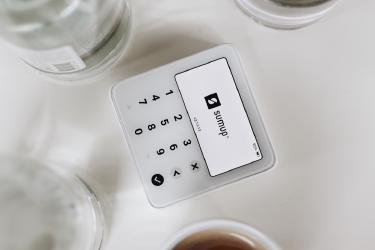
Traditional card terminals require specialized hardware-dedicated NFC readers, card slots, and proprietary operating systems. These devices typically cost between $200 and $800, with additional monthly rental fees.
SoftPOS eliminates the hardware barrier. The technology uses a smartphone’s built-in NFC chip to read contactless cards and mobile wallets. According to a 2024 report by Juniper Research, the SoftPOS market will process over $1. 6 trillion in transaction volume by 2028, up from $285 billion in 2023.
The distinction matters for three reasons:
Cost reduction: Merchants avoid hardware purchase and maintenance expenses. A 2023 study by Edgar, Dunn & Company found that SoftPOS reduces merchant acquisition costs by 70% compared to traditional terminal deployment.
Deployment speed: Download an app, complete verification, and start accepting payments within hours rather than waiting days for equipment delivery.
Flexibility: Service businesses-contractors, delivery drivers, mobile beauticians-carry payment acceptance in their pocket without additional equipment.
Technical Requirements and Security Architecture
Not every smartphone supports SoftPOS functionality. The device must meet specific technical criteria:
- NFC capability with Host Card Emulation (HCE) support
- Android 8.0 or higher (iOS devices cannot currently function as SoftPOS terminals due to Apple’s NFC restrictions)
- Minimum 2GB RAM for smooth transaction processing
- Active internet connection for authorization and settlement
Security architecture follows PCI CTS (Contactless Terminal Security) standards. The payment card industry established these requirements specifically for tap-on-mobile solutions in 2019.
Kernel-level protection: Transaction data encryption occurs at the operating system level before application access, preventing malware from intercepting card information.
Tokenization: Card details never reach the merchant app. Payment networks generate single-use tokens for each transaction, similar to Apple Pay and Google Pay functionality.
Biometric authentication: Merchants must verify their identity through fingerprint or facial recognition before processing transactions above certain thresholds (typically $50-100 depending on the provider).
Remote attestation: The app continuously verifies device integrity, checking for root access, modified OS components, or suspicious applications running in the background.
Visa’s Tap to Phone and Mastercard’s Tap on Phone programs require certified providers to use these security layers. As of 2024, over 40 payment service providers globally have achieved certification.
Market Adoption Patterns and Use Cases
SoftPOS adoption varies significantly by market maturity and merchant segment. Three distinct adoption patterns have emerged:
Micro-merchants and sole traders: Food truck operators, market stall vendors, and independent contractors represent the fastest-growing segment. These businesses previously relied on cash or suboptimal payment solutions like invoicing apps with 2-3 day settlement times.
Delivery and logistics: Restaurant delivery drivers and courier services use SoftPOS to collect payment at the doorstep. DoorDash began piloting SoftPOS with its Dashers in select U. S. markets in late 2023, reducing cash handling and payment disputes.
Retail supplementation: Established retailers deploy SoftPOS as a line-busting tool during peak periods. Staff equipped with smartphones process transactions for customers waiting in long queues, improving customer experience without installing additional fixed terminals.
Geographic adoption shows clear patterns. Brazil leads globally with approximately 2. 7 million SoftPOS-enabled devices as of Q4 2023, driven by Central Bank initiatives promoting financial inclusion. European markets follow, with Italy, Spain, and Germany showing particularly strong growth among small merchants.
Economic Impact: Cost-Benefit Analysis
The economics favor small-volume merchants but present challenges at scale. Consider a typical use:
Traditional terminal costs:
- Hardware purchase: $300-500 (or $20-40 monthly rental)
- Processing fees: 1. 5%-3.
SoftPOS alternative:
- Hardware cost: $0 (using existing smartphone)
- Processing fees: 2. 0%-3.
The savings diminish as transaction volume increases. Merchants processing over 300 transactions monthly often find traditional terminals more economical due to lower per-transaction fees negotiated with acquirers.
There’s another consideration: transaction limits. Many SoftPOS providers cap individual transactions at $200-500 to manage fraud risk, making the solution unsuitable for businesses with high average ticket values.
Provider area and Feature Differentiation
The SoftPOS market remains fragmented with varying approaches:
Payment network initiatives: Visa and Mastercard offer white-label SoftPOS platforms that banks and payment service providers customize. These solutions benefit from network-level trust and compliance but lack unique features.
Independent providers: Companies like Stripe, Square, and SumUp developed proprietary SoftPOS offerings integrated with their broader merchant services ecosystems. Transaction data feeds directly into sales analytics, inventory management, and accounting tools.
Bank-led solutions: Financial institutions including J. P. Morgan, BBVA, and Santander launched SoftPOS apps for existing merchant customers, positioning the technology as a value-added service rather than standalone product.
Feature differentiation centers on:
- Settlement speed: Some providers offer same-day or next-day funding compared to standard 2-3 day cycles
- Transaction limits: Range from $100 to unlimited depending on merchant verification level
- Offline mode: Advanced implementations support limited offline transaction queuing for areas with poor connectivity
- Multi-currency support: Essential for tourism-dependent businesses
Regulatory Environment and Future Outlook
Regulatory approaches vary globally. The European Central Bank released guidance in 2022 establishing SoftPOS as a regulated payment instrument subject to PSD2 requirements. This clarity accelerated European market development.
The U - s. maintains a lighter regulatory approach, relying on existing PCI compliance frameworks without SoftPOS-specific regulations. This creates innovation opportunities but also fragmentation in security use quality.
Market forecasts indicate continued growth. Accenture projects that by 2027, SoftPOS will account for 25% of all new point-of-sale deployments globally, particularly in emerging markets where traditional terminal infrastructure remains limited.
Three developments will shape the technology’s evolution:
iOS support: Apple’s NFC restrictions currently block iPhone SoftPOS functionality except in limited regions (Australia being the first in 2024). Regulatory pressure may force broader access, potentially doubling the addressable merchant market.
Enhanced transaction limits: As fraud detection algorithms improve and merchant verification processes strengthen, providers will increase transaction caps, expanding use cases into mid-ticket retail.
Vertical integration: SoftPOS will evolve from standalone payment acceptance into comprehensive business management platforms, embedding inventory tracking, customer relationship management, and financial services.
The technology represents more than cost reduction. It democratizes payment acceptance, lowering barriers for entrepreneurs in both developed and emerging markets. Whether that potential translates into sustained competitive advantage depends largely on how providers balance accessibility with security and profitability.