Bilt New Card Lineup: Rent Rewards Get Major Upgrade 2026
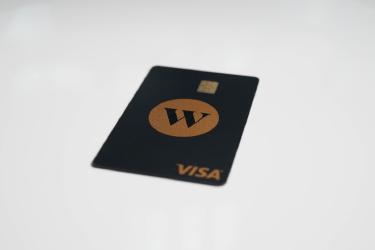
Bilt Mastercard holders woke up to surprising news in early 2026. The rent rewards program that’s been quietly building a loyal following since 2021 just announced its biggest overhaul yet-a complete card lineup refresh. Changes how renters earn and redeem points.
The timing isn’t accidental. With 44 million American households renting their homes. Paying an average of $1,850 monthly, Bilt has positioned itself at the intersection of a massive pain point and an untapped rewards opportunity.
What’s Actually Changing
Bilt’s partnership with Cardless has produced three distinct card tiers, each targeting different spending profiles and reward appetites.
The base Bilt Mastercard remains fee-free, but now earns 1. 5x points on rent payments instead of the previous 1x. That’s a 50% boost without touching the annual fee. For someone paying $2,000 monthly in rent, that translates to 36,000 points annually-enough for a domestic round-trip flight on most transfer partners.
The new Bilt Elite card carries a $195 annual fee and bumps rent earnings to 2x points. It also introduces a $100 annual rent credit, effectively dropping the net fee to $95. Elite cardholders get complimentary Priority Pass lounge access (limited to 4 visits annually) and a 25% bonus when transferring points to airline partners.
Then there’s the Bilt Reserve. At $495 annually, it’s clearly chasing the premium travel card market. Rent payments earn 3x points. The card includes full Priority Pass membership, a $300 annual travel credit, cell phone protection,. What Bilt calls “Rent Day Multipliers”-boosted earning rates on the first of each month across all spending categories.
The Transfer Partner Situation
Bilt’s transfer partner list has grown to 18 programs, and this is where the value gets interesting.
Points transfer 1:1 to American Airlines AAdvantage, United MileagePlus, Air Canada Aeroplan, and Turkish Miles&Smiles. The Hyatt World of Hyatt partnership remains the standout-transferring Bilt points to Hyatt often yields valuations above 2 cents per point, particularly for aspirational redemptions at Park Hyatts. Alila properties.
New for 2026: Emirates Skywards joins as a transfer partner, opening up premium cabin sweet spots that weren’t previously accessible. A business class ticket from New York to Dubai that typically prices around $8,000 can be booked for 72,500 Skywards miles plus fees. That’s a realistic target for high-rent payers accumulating points aggressively.
Bilt has also added IHG One Rewards at a 1:2 transfer ratio. Not the most exciting option, but useful for specific redemptions at Intercontinental and Kimpton properties.
How the Math Works for Different Renters
Consider three renter profiles to understand where each card makes sense.
The $1,500/month renter with minimal other spending: The base Bilt card generates 27,000 points annually on rent alone. No fee, solid value. Upgrading to Elite only makes sense if you’d use the lounge visits or value the transfer bonus highly.
The $2,500/month renter who travels frequently: Elite becomes compelling. That’s 60,000 points yearly from rent at 2x, plus the $100 rent credit and transfer bonus. The 25% transfer bonus to airlines means 60,000 Bilt points become 75,000 airline miles-a significant bump.
The $4,000+/month renter in a major metro: Reserve territory. At 3x on rent, that’s 144,000 points annually from rent payments alone. The $300 travel credit and Rent Day Multipliers add substantial value. Premium renters in Manhattan, San Francisco, or Boston often fall into this category.
One caveat: Bilt still requires at least 5 transactions monthly to earn points on rent. This hasn’t changed, and it trips up new cardholders regularly. Set up small recurring charges-a streaming service, cloud storage, something-to hit the threshold automatically.
The Cardless Technology Angle
Bilt’s backend partnership with Cardless deserves attention. The fintech company has built a reputation for rapid product iteration and seamless digital experiences. Their involvement explains several features in the new lineup.
Instant virtual card issuance means approved applicants can add cards to digital wallets immediately. The Bilt app now includes real-time transaction alerts with point calculations displayed before purchases settle. There’s also a new “Point Forecaster” tool that projects annual earnings based on spending patterns.
Cardless has implemented what they call “Intelligent Category Recognition”-machine learning that correctly categorizes transactions for bonus earnings more accurately than legacy systems. Early user reports suggest dining and travel categories are being recognized consistently, a pain point with other issuers.
Rent Day Gets an Overhaul
Rent Day, Bilt’s monthly event on the first of each month, now includes “Rent Day Multipliers” for Reserve cardholders. On the first, all spending earns an additional 0. 5x points on top of category bonuses. For a Reserve holder making a $500 travel purchase on Rent Day, that’s an extra 250 points.
The program also introduced “Rent Day Perks”-rotating partner offers including statement credits, bonus transfer promotions, and exclusive redemption opportunities. January 2026 featured 20% bonus points on Hyatt transfers; February includes discounted point redemptions for select concert tickets through their entertainment partner.
What About Competitors?
Bilt’s closest competitor remains the traditional rent payment services like Plastiq, but these charge fees typically around 2. 5% of payment value. For a $2,000 rent payment, that’s $50 monthly-$600 annually-in fees alone. Bilt’s fee-free rent payment structure remains unmatched.
The Citi Custom Cash card technically offers 5% back on your highest spending category up to $500 monthly, but rent payments don’t qualify. Neither do standard payments through the Chase Sapphire Reserve or Amex Platinum.
Bilt’s moat is the direct landlord relationship network. Over 4 million rental units participate in Bilt’s Alliance network, allowing fee-free payments processed as legitimate rent transactions rather than cash advances. This infrastructure took years to build and isn’t easily replicated.
The Fine Print Worth Reading
Several limitations apply across the new lineup:
- Rent payments still capped at $50,000 annually for point earnings
- Alliance properties process as fee-free; non-Alliance properties may incur a 3% fee
- The 5-transaction minimum requirement persists
- Point transfers have a 24-48 hour processing window
- Elite and Reserve welcome bonuses require $3,000 and $5,000 spending in the first 3 months, respectively
Bilt points don’t expire as long as the account remains open and in good standing. But here’s something often overlooked: closing the card means forfeiting unredeemed points. There’s no grace period for transfers after account closure.
Should Renters Make a Move?
For current Bilt cardholders, the base card improvements happen automatically-the 1. 5x rent earning rate rolls out across all existing accounts by March 2026.
Upgrading requires evaluation of personal spending patterns. The Elite card’s $95 effective annual fee (after the rent credit) pencils out for renters paying above $2,000 monthly who’d use at least two lounge visits annually. The Reserve is harder to justify unless rent exceeds $3,500 monthly or the Rent Day Multipliers align with significant travel spending.
New applicants should note that approval odds favor those with credit scores above 700 and no derogatory marks in the past 24 months. Bilt has historically been conservative with credit limits on new accounts-initial limits of $5,000-$10,000 are common, with increases available after 6 months of payment history.
The Bigger Picture
Bilt’s expansion signals something broader happening in the rewards credit card space. Traditional issuers have largely ignored renters-a demographic that skews younger, more mobile, and increasingly valuable to brands seeking customer acquisition.
By turning rent, the single largest monthly expense for most Americans under 40, into a points-earning opportunity, Bilt has created genuine differentiation. The new card lineup doesn’t just add tiers; it creates a progression path that encourages loyalty as earning power increases.
Whether this strategy survives long-term depends on Bilt’s ability to maintain landlord relationships and manage the economics of fee-free rent payments. For now, the 2026 refresh represents the most significant upgrade in the program’s history-and the most compelling case yet for renters to pay attention to their rewards strategy.