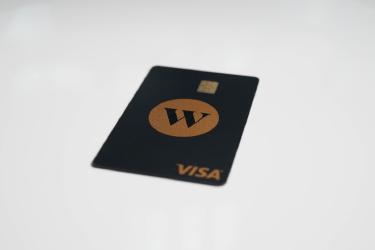
Bilt Cardless Launch: Rent Rewards Expanded in 2026
Bilt Rewards announced a major expansion of its rent payment platform in January 2026 through a strategic partnership with Cardless, the fintech company known for enabling co-branded credit card programs. The deal marks a significant shift in how renters can earn rewards on their largest monthly expense.
What the Bilt-Cardless Partnership Actually Means
The partnership allows Bilt to extend its rewards program beyond its flagship Bilt Mastercard. Through Cardless technology, participating banks and financial institutions can now offer Bilt points earning on rent payments through their own credit card products. This isn’t a small tweak-it’s a fundamental restructuring of how the rent rewards system operates.
Previously, earning Bilt points required holding the Bilt Mastercard issued by Wells Fargo. That limitation excluded millions of renters who either couldn’t qualify for the card or preferred to keep their existing credit card relationships. The Cardless integration removes that barrier.
According to Bilt’s press release, the expanded network will include at least 12 new card issuers by Q2 2026. Early partners reportedly include several regional banks and at least two major national credit unions.
The Economics Behind Rent Rewards
Rent payments represent roughly $500 billion annually in the United States. Most of that money moves through checks, ACH transfers, or debit cards-none of which generate meaningful rewards for tenants. Credit card payments for rent have traditionally carried processing fees between 2. 5% and 3%, making rewards earning a net-negative proposition.
Bilt’s model works differently. The company negotiated fee structures with property management companies that absorb or reduce transaction costs. Their network now includes over 4. 5 million rental units across the country, up from 2 million in 2023.
Here’s where the Cardless partnership changes the math. By distributing the points-earning capability across multiple card products, Bilt can:
- Increase transaction volume without proportionally increasing customer acquisition costs
- Share processing economics across a broader issuer base
- Reduce concentration risk tied to a single banking partner
The company hasn’t disclosed specific revenue-sharing arrangements with Cardless or participating issuers. Industry analysts estimate that Bilt likely retains between 40% and 60% of the interchange economics on partner transactions.
How Points Earning Will Work
Renters using a Cardless-enabled partner card will earn Bilt points at a rate determined by their card issuer, not Bilt directly. Early reports suggest most partners will offer between 0. 5x and 1x points per dollar on rent payments-lower than the 1x rate on the native Bilt card, but still meaningful on large transactions.
A renter paying $2,000 monthly could accumulate 12,000 to 24,000 points annually through partner cards. At Bilt’s published transfer ratios, that’s roughly $200 to $400 in travel value when transferred to airline or hotel partners.
The earning structure introduces some complexity. Partner card points will first accumulate in the issuer’s native rewards program, then transfer to Bilt at predetermined conversion rates. This adds a step compared to direct Bilt card earning, but the conversion happens automatically for most enrolled accounts.
Competitive Implications for the Credit Card Industry
Bilt’s expansion puts pressure on traditional card issuers who’ve largely ignored the rent payment category. Chase, American Express, and Capital One have experimented with rent payment features but haven’t committed significant resources to the space.
The Cardless partnership essentially creates a plug-and-play rent rewards module that any issuer can adopt. Smaller banks and credit unions-institutions that typically can’t build sophisticated rewards infrastructure-can now compete with major issuers on a feature that matters to younger consumers.
That’s strategically important. Millennials and Gen Z renters represent the largest demographic of credit card applicants, but they often have limited spending in traditional bonus categories like dining or travel. Rent is frequently their largest monthly expense. A card that rewards rent spending has genuine differentiation.
Cardless CEO Michael Spelfogel noted in the announcement that “rent rewards represent one of the largest untapped opportunities in consumer finance. " The company previously built co-branded card programs for sports teams and entertainment brands. Financial services represents a new vertical for their technology.
Potential Limitations and Concerns
Several questions remain unanswered about the expanded program.
Property coverage gaps: Bilt’s network, while large, still excludes roughly 60% of rental units nationwide. Renters whose landlords don’t participate can’t earn points regardless of which card they hold. The company says it’s adding 200,000+ units monthly, but full market coverage remains years away.
Transfer partner uncertainty: Bilt points derive most of their value from transfer partnerships with airlines and hotels. Those agreements aren’t permanent. If a major partner like American Airlines or Hyatt exits the program, point valuations could drop significantly. The company has added partners over time, but it has also lost at least one (IHG reportedly reduced its partnership terms in late 2025).
Fee structures for non-network properties: Renters can pay landlords outside the Bilt network using the Bilt card, but a 3% fee applies. It’s unclear whether partner cards through Cardless will have access to this feature or face different fee structures.
Credit score impacts: Adding rent payments to credit card balances increases utilization ratios, which can temporarily lower credit scores. Renters with high monthly rent relative to their credit limits need to pay off balances immediately to avoid this effect.
Who Benefits Most From the Expansion
The Cardless partnership creates clear winners:
Renters with established card relationships: Someone holding a premium rewards card from a participating issuer can now earn rent points without opening a new account or fragmenting their rewards strategy.
Credit unions and regional banks: These institutions gain a competitive feature that previously required significant technology investment. Several community banks have already announced plans to integrate Bilt points into their existing card programs.
Bilt itself: The company dramatically expands its addressable market without the customer acquisition costs typically associated with credit card growth. Every partner card transaction reinforces Bilt’s position as the central rent rewards platform.
Property management companies: Higher tenant adoption of rewards-earning payment methods potentially reduces late payments and increases tenant satisfaction. Some property managers have negotiated revenue-sharing arrangements with Bilt based on transaction volume.
What’s Next for Rent Rewards
The rent rewards category is still maturing. Bilt’s first-mover advantage and now-expanded distribution create significant barriers for potential competitors. But the market opportunity is large enough to attract new entrants.
Rumors suggest at least two major card issuers are developing proprietary rent rewards programs that would bypass Bilt entirely. Whether those programs can match Bilt’s property network and transfer partner relationships remains to be seen.
For now, the Cardless partnership positions Bilt as the infrastructure layer for rent rewards across the credit card industry. That’s a defensible position-building equivalent networks and partnerships would take years for any competitor.
Renters should watch for announcements from their existing card issuers about Bilt integration. The first wave of partner cards is expected to launch in March 2026, with additional issuers joining throughout the year.