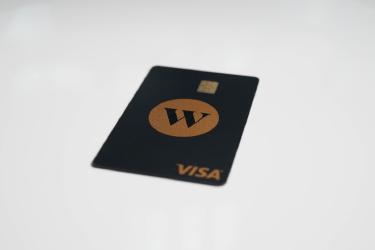
Chase Hyatt Premium Card Launch: What Elite Travelers Get

Chase and Hyatt have partnered on premium hotel credit cards since 2009, but rumors of an ultra-premium tier have circulated for years. In January 2026, those rumors materialized. The Chase Hyatt Reserve card launched with a $595 annual fee and a benefits package aimed squarely at travelers spending 50+ nights annually at Hyatt properties.
The timing isn’t accidental. Hilton’s Aspire card from American Express commands a $550 annual fee. Marriott Bonvoy Brilliant sits at $650. Chase needed a competitive answer in the luxury hotel card segment,. The existing World of Hyatt card-solid as it is at $95 annually-wasn’t cutting it for Hyatt’s most valuable guests.
What the Annual Fee Actually Buys
Let’s break down the core benefits before evaluating whether they justify nearly $600 per year.
The card offers automatic Globalist status for the primary cardholder. This alone represents significant value. Globalist normally requires 60 qualifying nights or 100,000 base points annually. Members at this tier receive suite upgrades (when available), complimentary breakfast, 4 p. m. late checkout, and waived resort fees.
A $300 annual Hyatt credit applies automatically to qualifying stays. Unlike some competitors’ credits that require enrollment or specific booking channels, this one posts without friction. The credit resets each cardmember year, not calendar year.
Guest of Honor privileges come standard. Cardholders can extend Globalist benefits to reservations booked for family or friends-a perk previously available only to members earning status through stays.
Club lounge access comes with every award night booking. Typically, lounge access requires booking higher-tier rooms or using suite upgrade confirmations. The Reserve card bypasses this requirement entirely.
Earning Structure and Redemption Math
The points earning rates look familiar if you’ve used other premium travel cards:
- 9x points per dollar on Hyatt purchases
- 3x on dining, flights booked directly with airlines, and fitness club memberships
- 2x on transit and streaming services
- 1x on everything else
These rates slightly exceed the standard World of Hyatt card’s 4x on Hyatt and 2x on dining/transit structure. But the real value comes from how Hyatt points redeem.
Hyatt consistently delivers strong value per point. Internal valuations place World of Hyatt points between 1. 7 and 2. 1 cents each, depending on property and room category. A five-night stay at a Category 4 property (15,000 points per night) costs 75,000 points. At 1. 8 cents per point, that’s $1,350 in value.
The fifth-night-free benefit on award stays amplifies this. Book four nights, get the fifth free. On a points basis, you’re getting 25% more value from every award booking of five nights or longer.
How It Stacks Against Competitors
The Hilton Aspire card offers Diamond status, a $200 Hilton resort credit, a $200 airline fee credit, a free weekend night certificate, and Priority Pass lounge access. Total annual fee: $550.
Marriott Bonvoy Brilliant provides Platinum Elite status (not Titanium or Ambassador), a $300 dining credit at Marriott properties, a free night certificate worth up to 85,000 points,. $100 in Marriott property credits. Annual fee: $650.
The Chase Hyatt Reserve lacks an airline fee credit. It doesn’t include Priority Pass. No annual free night certificate comes automatically-though bonus category redemptions and the fifth-night-free benefit partially compensate.
What it does have: genuine top-tier status without the footnotes. Marriott Platinum isn’t their highest level. Hilton Diamond can be matched or status-challenged relatively easily. Hyatt Globalist remains harder to earn and more consistently valuable for upgrade success rates and breakfast inclusions.
The Globalist Status Question
Here’s where opinions diverge.
Some travel analysts argue that credit-card-granted status dilutes the program for members earning it through actual stays. When everyone has Globalist, suite upgrades become scarcer. Breakfast lounges fill up - the exclusivity erodes.
Others counter that Hyatt’s footprint-around 1,200 properties compared to Marriott’s 8,000+-naturally limits how many cardholders will actually use these benefits regularly. A card this expensive self-selects for travelers already loyal to the brand.
Hyatt seems to be betting on the latter. The $595 fee prices out casual collectors. And the card’s benefits only make sense if you’re booking Hyatt properties multiple times annually.
Who Should Consider This Card
The math works for travelers in specific situations.
**Frequent Hyatt guests who fall short of Globalist annually. ** If you’re hitting 40-50 nights but can’t quite reach 60, the card shortcuts the status while still rewarding your existing loyalty.
**Business travelers with reimbursed expenses. ** When the company pays for hotels, earning 9x points on Hyatt stays while enjoying Globalist perks creates a value loop that’s hard to beat.
**Couples who travel together. ** The Guest of Honor benefit means a partner traveling separately can still access Globalist perks on bookings made with the cardholder’s points.
**High-value redemption planners. ** Travelers targeting Park Hyatts, Andaz properties, and all-inclusive Ziva/Zilara resorts in the Caribbean will extract maximum value from every point.
Who Should Skip It
Not everyone needs this card - plenty of travelers should pass.
**Infrequent Hyatt users. ** If your travel patterns don’t align with Hyatt’s footprint-particularly in regions where Hyatt has fewer properties-$595 becomes an expensive loyalty gesture.
**Points diversification strategists. ** Travelers who prefer flexible currencies like Chase Ultimate Rewards or American Express Membership Rewards may find the Hyatt-specific earning structure too limiting.
**Status collectors without stays. ** The card grants status, but status without stays generates zero value. Globalist benefits only materialize when you’re actually at properties.
**Budget-conscious travelers. ** At $595, you need to extract roughly $650-$700 in value annually (accounting for opportunity cost) to come out ahead. That requires actual travel, not theoretical point valuations.
Application Considerations
Chase’s 5/24 rule applies. Applicants with five or more new credit card accounts in the past 24 months typically face automatic denial. The rule includes cards from all issuers, not just Chase.
Credit score requirements appear strict. Early data points suggest approvals clustering around 750+ FICO scores, though individual factors like income and existing Chase relationships influence outcomes.
The sign-up bonus at launch offers 75,000 points after $6,000 in spending within six months. That’s attainable but requires intentional spend allocation. For context, 75,000 points can cover four nights at a Category 7 property or ten nights at a Category 3.
The Broader Trend in Premium Hotel Cards
This launch reflects where the hotel card market is heading. Issuers are bifurcating their offerings into accessible entry-level products and premium cards with real barriers to entry.
The days of valuable status granted by $95 cards may be ending. Hotels want committed customers, not opportunistic point collectors. Higher fees filter for travelers who’ll actually generate room revenue beyond the award nights.
Chase’s move also signals confidence in Hyatt’s brand positioning. Unlike Marriott or Hilton, Hyatt hasn’t pursued aggressive expansion. Their strategy focuses on higher-end properties in desirable markets. A premium card aligns with that positioning.
Final Assessment
The Chase Hyatt Reserve card enters a competitive segment with a clear value: genuine Globalist status without earning requirements, strong points acceleration on Hyatt spending, and meaningful perks that active travelers will actually use.
Is it worth $595? For travelers already spending 30+ nights annually at Hyatt properties, likely yes. The Globalist status alone would require 60 nights or significant spending to earn organically. The $300 credit offsets nearly half the annual fee automatically.
For everyone else, the standard World of Hyatt card at $95 remains excellent. Its free night certificate (up to Category 4) and solid earning rates provide value without demanding premium travel patterns.
The Reserve card isn’t trying to be everything to everyone. It’s a specialized tool for a specific segment. That clarity, at least, deserves respect.