Debit Card Rewards Programs: Hidden Perks Banks Offer
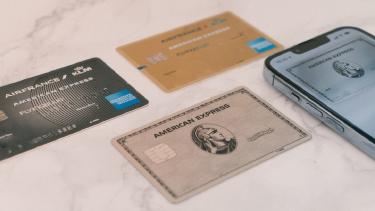
Most consumers overlook debit cards when hunting for rewards, assuming credit cards hold a monopoly on cashback and perks. Research from Mercator Advisory Group shows that only 23% of debit cardholders actively use rewards-enabled cards, despite 67% of U. S. banks now offering some form of debit rewards program.
The oversight costs money. Federal Reserve data indicates the average American processes 28 debit transactions monthly. A modest 1% cashback rate translates to $336 annually on a household spending $28,000 through debit-enough to cover streaming subscriptions or reduce credit card debt.
Traditional Debit Rewards Models
Bank of America pioneered widespread debit rewards in 2010 with BankAmeriDeals, allowing customers to activate merchant-specific offers through online banking. The program generated $847 million in customer savings by 2019, according to bank disclosures.
Discover’s cashback debit card remains the industry benchmark. Cardholders earn 1% on purchases up to $3,000 monthly, capped at $360 yearly. The American Bankers Association notes this structure protects banks from interchange fee losses while delivering competitive value. Unlike credit rewards funded by interest charges and annual fees, debit programs depend entirely on merchant interchange revenue-typically 0. 5% to 1. 05% per transaction under Durbin Amendment regulations.
Regional banks employ tiered systems. PNC’s Virtual Wallet offers cashback when customers meet monthly requirements: ten debit purchases, one direct deposit, and paperless statements. Members earn $5 monthly, totaling $60 annually. Fifth Third Bank uses a similar approach, rewarding $20 quarterly for maintaining minimum balances and transaction counts.
Merchant-Funded Offer Networks
These programs flip the traditional model. Instead of banks paying rewards from interchange, participating merchants fund the incentives directly.
Cardlytics powers rewards for Wells Fargo, Bank of America, and 2,000+ financial institutions, reaching 158 million cardholders. The platform analyzes transaction data to serve targeted offers. A customer who frequently purchases coffee receives 10% back at Starbucks; someone shopping at Target gets 5% back on household goods. Merchants pay for performance-they compensate Cardlytics only when customers redeem offers.
Dosh and Pei operate smartphone apps connecting to debit cards. Users automatically earn cashback at 10,000+ retail partners without activating offers or scanning receipts. Dosh reported $175 million in member earnings since launching in 2017. The apps monetize through merchant advertising fees and aggregate purchase data.
Banks benefit from these partnerships. They provide rewards without spending interchange revenue, increase card usage frequency by 18% on average (per Cardlytics Q2 2023 earnings), and collect valuable behavioral insights for cross-selling financial products.
Premium Checking Account Perks
High-yield checking accounts bundle debit rewards with additional benefits, though they demand higher engagement.
Kasasa accounts, offered through 800+ community banks and credit unions, refund ATM fees nationwide and pay interest rates exceeding 3% APY. Requirements are substantial: 12+ debit purchases monthly, e-statements, one ACH transaction. Miss any qualifier and rewards vanish for that cycle.
Lake Michigan Credit Union’s Max Checking paid 3% APY on balances up to $15,000 in 2023, generating $450 annually for members meeting criteria. The institution uses interchange income and account fees from non-qualifiers to subsidize rates.
These programs target financially engaged customers. Industry analysis from Novantas shows qualified members maintain 3. 2x higher deposit balances and purchase 2. 1x more products compared to standard checking customers. Banks profit from the relationship depth despite paying premium rates.
Subscription Service Reimbursements
Several banks now reimburse popular subscription costs, recognizing consumers pay $219 monthly on average for streaming, software, and delivery services (Waterstone Management Group, 2024).
One Finance offered “Pockets” that automatically covered Netflix ($15. 49), Spotify ($10 - 99), and Amazon Prime ($14. 99) monthly-$41 - 47 in value. The fintech was acquired by Walmart in 2022, but the model influenced traditional banks.
Current provides $6 monthly in Spotify or Netflix credits for members with direct deposits exceeding $200. SoFi Money refunds specific ATM fees and partners with exclusive merchant networks for discounts averaging 7% at 30,000+ locations.
The economics work because recurring subscription charges indicate stable income and account longevity. Banks recoup costs through interchange from other purchases and reduced customer acquisition expenses from lower churn rates.
Round-Up Programs and Microsavings
Round-up features automatically transfer purchase change to savings or investment accounts. While not direct cashback, they function as forced savings rewards.
Bank of America’s Keep the Change rounds debit purchases to the nearest dollar, transferring differences to savings. If coffee costs $4 - 65, the bank moves $0. 35 to savings and matches 100% of round-ups for three months (5% annually thereafter, capped at $250). Participants save $800 more annually than non-participants, per internal bank studies.
Chime rounds up to the nearest dollar and multiplies by 10% when employers direct deposit paychecks early-a combined saving and rewards mechanism. The company reports members accumulate $1,300 on average through automated round-ups within 18 months.
Acorns integrates more aggressively, rounding up purchases and investing the change in diversified portfolios. Users who maintain the $3 monthly subscription and spend $1,500 on debit might round up $45 monthly ($540 yearly). Combined with 5. 00% APY on uninvested cash (as of late 2024), the total return exceeds most traditional savings accounts.
Hidden Travel and Shopping Protections
Debit cards from major networks increasingly match credit card protections, though few consumers know these benefits exist.
Visa’s Zero Liability Policy covers unauthorized transactions when reported within 60 days. Extended warranty protection adds an extra year to manufacturer warranties on eligible purchases. Purchase security reimburses stolen or damaged items within 90 days of buying (up to $500 per claim, $50,000 annually).
Mastercard provides similar coverage plus ID theft resolution services and roadside assistance through connected auto club partners. These protections apply regardless of which bank issued the card-they are network-level benefits.
The catch: banks rarely advertise these perks. A 2023 J - d. Power survey found only 14% of debit users knew their cards included purchase protection. Credit card marketing emphasizes protections heavily; debit card materials focus on basic checking features.
Strategic Selection Criteria
Choosing optimal debit rewards requires matching program structures to spending patterns.
High-volume users who process 40+ monthly transactions benefit most from flat-rate cashback cards like Discover’s 1% program. The math is straightforward: more swipes equal more rewards with no activation friction.
Targeted spenders who concentrate purchases at specific retailers should prioritize merchant-funded platforms. Someone spending $600 monthly at grocery stores earns $36 through a 6% targeted offer versus $6 from flat cashback.
Savers with stable income fit premium checking account models. The interest rate differential between 3% APY and standard 0. 01% on a $10,000 balance is $299 annually-worth the qualification hassle for disciplined consumers.
Minimalists managing multiple subscriptions gain from reimbursement programs. Three covered services worth $40 monthly translate to $480 yearly in value without changing behavior.
The Federal Reserve’s 2023 Survey of Consumer Payment Choice shows debit cards account for 30% of all payments and 28% of payment value. With transaction volume that high, even marginal rewards compound. Banks offer these perks to increase payment share and deepen customer relationships. Consumers who compare programs can capture hundreds in annual value-money that otherwise flows to banks and payment networks.
Rewards optimization starts with auditing spending. Track where the majority of debit purchases occur for three months. Then match that pattern to program types: flat cashback for diverse spending, merchant offers for concentrated purchases, premium checking for high balances, subscription credits for digital services. The right combination often involves maintaining accounts at multiple institutions-a no-fee rewards debit for daily spending paired with premium checking for savings.
Banks won’t proactively upgrade customers to better programs. That requires deliberate action. But the infrastructure exists for consumers willing to navigate it.