Elevated Credit Card Interest Rates: Managing APR Amid Economic Shifts
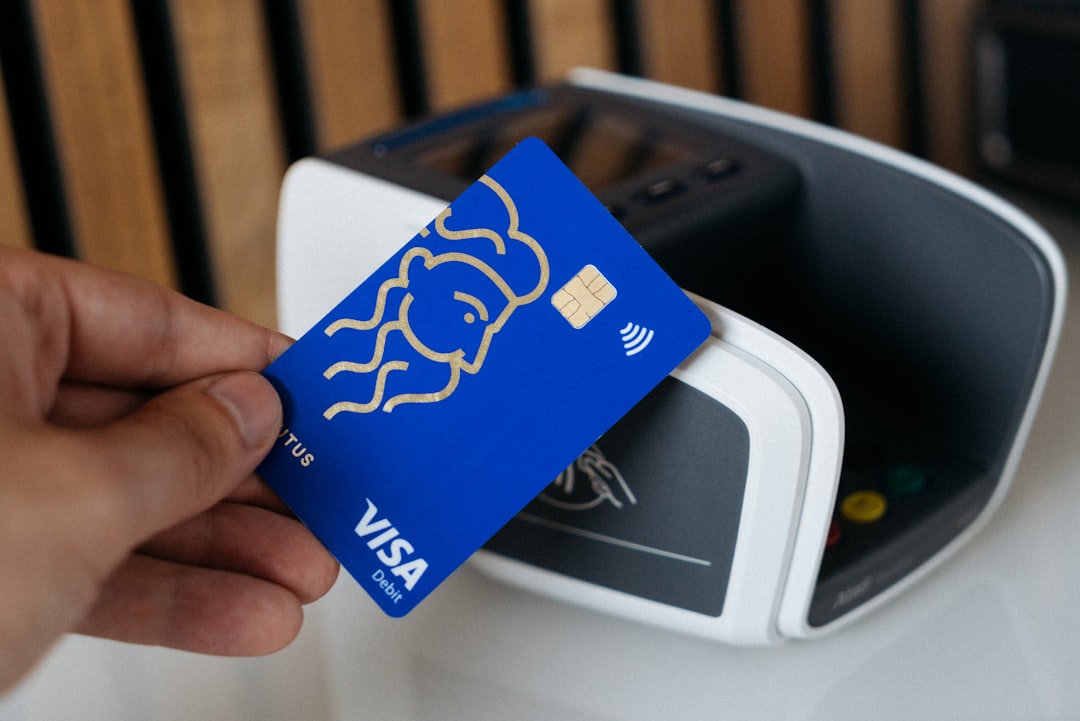
Credit card interest rates have climbed to historic highs in 2025, with the average APR now hovering around 24. 8% according to Federal Reserve data. That’s not a typo. Cardholders are paying nearly a quarter of their balance in interest annually-a stark reality that demands attention from anyone carrying revolving debt.
Why APRs Keep Climbing
The Federal Reserve’s monetary policy decisions drive much of this trend. When the Fed raises its benchmark rate to combat inflation, credit card issuers follow suit. Card APRs are typically pegged to the prime rate, which moves in lockstep with federal funds rate changes.
But there’s more to the story. Issuers have also widened their rate spreads-the margin they add above prime rate. In 2019, the average spread was around 12 percentage points. Today it exceeds 14 points. Banks cite increased default risks and operational costs, though consumer advocates argue profit margins have simply expanded.
Risk-based pricing has intensified too. Cardholders with scores below 670 now face APRs routinely exceeding 29%. Even those with excellent credit (740+) aren’t immune, typically seeing rates between 18% and 22%.
The Real Cost of Carrying a Balance
Numbers tell the story better than generalities. Consider a $5,000 balance at 24.
- Monthly minimum (typically 2%): $100 initially
- Time to payoff: Over 9 years
- Total interest paid: Approximately $6,300
That’s paying more in interest than the original purchase amount. The math gets uglier with larger balances or higher rates.
Compound interest works against borrowers daily. Most cards calculate interest using average daily balance methods, meaning every purchase starts accruing charges immediately if you’re not paying in full each month.
Strategies That Actually Work
Balance Transfer Cards
Zero-percent introductory APR offers still exist, though promotional periods have shortened. The Citi Simplicity card offers 21 months at 0%, while Chase Slate Edge provides 18 months. Transfer fees typically run 3-5% of the balance.
Do the math before transferring. A 4% fee on $8,000 costs $320 upfront. If you can pay off the balance within the promotional window, you’ll still save substantially versus carrying it at 25% APR. If not, check what the post-promotional rate becomes-often 22% or higher.
Negotiating With Your Issuer
This works more often than people realize. A 2024 LendingTree survey found 76% of cardholders who asked for a lower rate received one, with average reductions of 5-6 percentage points.
The approach matters. Call during business hours, have your account history ready, and mention competitor offers if you have them. Long-standing customers with clean payment records hold more use. Even a reduction from 26% to 21% on a $7,000 balance saves roughly $350 annually.
Debt Avalanche Method
Target highest-APR balances first while making minimums on others. Mathematically optimal, though some prefer the debt snowball approach (smallest balances first) for psychological wins. Either beats making minimum payments across all accounts.
Fixed vs Variable: Understanding Your Card Terms
Virtually all credit cards today carry variable rates tied to prime. True fixed-rate cards disappeared after the CARD Act of 2009 imposed restrictions on rate changes.
Variable rates mean your APR adjusts when the Fed moves. A card advertising “Prime + 14. 99%” will increase by a quarter point every time the Fed hikes by the same amount. Check your cardmember agreement-issuers must disclose the margin and index used.
Some cards do offer promotional fixed periods. Typically tied to balance transfers or new purchases, these rates won’t budge during the specified window regardless of Fed actions.
Credit Card Alternatives Worth Considering
Personal loans from credit unions often undercut card rates significantly. The average credit union personal loan charges around 9-12% APR, less than half typical card rates. Terms run 2-5 years with fixed monthly payments, creating a clear payoff timeline.
Home equity lines of credit (HELOCs) offer even lower rates-currently averaging 8. 5%-but require property ownership and put your home at risk if you default. Not a decision to take lightly.
Buy now, pay later services have proliferated, with platforms like Affirm and Klarna offering 0% options for shorter terms. Read the fine print carefully. Missed payments trigger interest charges and potential credit reporting.
What Industry Analysts Predict for 2025-2026
The Fed has signaled potential rate cuts later in 2025 if inflation continues moderating toward its 2% target. Each quarter-point cut would theoretically lower variable card APRs by the same amount.
But don’t expect dramatic relief. Even optimistic projections suggest card APRs remaining above 20% through 2026. Issuers have shown reluctance to pass rate decreases along as quickly as they use increases.
The Consumer Financial Protection Bureau has proposed new rules targeting “excessive” late fees and examining interest rate practices. Whether these materialize-and how issuers respond-remains uncertain under the current regulatory climate.
Practical Steps for Right Now
Pull your latest statements. Check what you’re actually paying, not what you assume. Many cardholders don’t know their APR within 5 points.
Set up automatic payments for at least the minimum. Late fees ($40+ per occurrence) add insult to injury, and payment history affects your credit score more than any other factor.
If you’re paying on time and carrying balances, spend 15 minutes calling each issuer to request lower rates. The worst outcome is hearing “no.
Consider whether your card portfolio makes sense. A card with a $95 annual fee and 2% cashback loses value quickly when you’re paying 25% on revolving balances. Sometimes a simpler, lower-rate card serves better.
Track the Fed’s rate decisions-they announce approximately eight times yearly. When cuts occur, verify your card APRs adjust accordingly within 1-2 billing cycles.
High APRs aren’t going away soon. Working around them requires attention, occasional uncomfortable phone calls, and honest assessment of spending patterns. The cardholders who fare best treat their interest rates as negotiable terms rather than fixed costs-because, increasingly, they are.