Foreign Transaction Fees: Which Cards Actually Waive Them
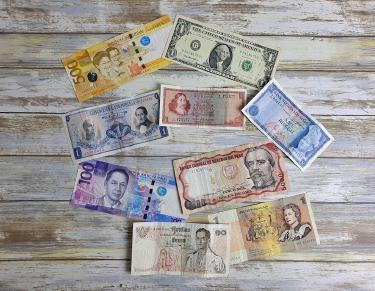
Spending money abroad shouldn’t cost extra. But for millions of cardholders, every international purchase triggers a 3% foreign transaction fee that quietly drains their travel budget. A $5,000 trip to Europe? That’s $150 gone before you’ve even bought a souvenir.
The good news: plenty of cards eliminate this fee entirely. The challenge is knowing which ones actually deliver-and which ones hide other costs that offset the savings.
What Foreign Transaction Fees Actually Cost
Foreign transaction fees typically run between 1% and 3% of each purchase made outside the United States or in a foreign currency. Visa and Mastercard charge networks about 1%, and issuing banks often add another 1-2% on top.
According to a 2023 Federal Reserve payments study, Americans made approximately $180 billion in international card transactions. At an average 2. 5% fee, that represents roughly $4. 5 billion in charges-mostly avoidable.
These fees apply not just to purchases made while traveling. Online orders from international retailers, subscription services billed in foreign currencies, and even some domestic purchases processed through overseas servers can trigger the charge.
Premium Travel Cards: The Obvious Winners
High-end travel cards universally waive foreign transaction fees. This is table stakes for any card targeting frequent travelers.
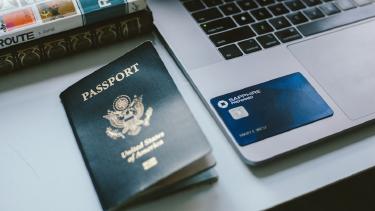
Chase Sapphire Reserve charges a $550 annual fee but offers no foreign transaction fees alongside 3x points on travel and dining. The card’s $300 annual travel credit effectively reduces the net cost to $250. For travelers spending $10,000+ annually abroad, the fee waiver alone justifies consideration.
American Express Platinum ($695 annual fee) similarly eliminates foreign fees while providing lounge access and premium travel protections. One consideration: Amex acceptance remains lower internationally compared to Visa and Mastercard, particularly in parts of Asia and South America.
Capital One Venture X stands out with a $395 annual fee and no foreign transaction fees. Capital One’s network-they use both Visa and Mastercard-offers strong global acceptance.
No-Annual-Fee Cards That Skip Foreign Fees
Not everyone needs a premium travel card. Several no-annual-fee options eliminate foreign transaction fees entirely.
Capital One Quicksilver provides 1. 5% unlimited cash back with zero foreign fees. No rewards category optimization required - simple math, simple card.
Discover it Cash Back waives foreign fees, though Discover’s international acceptance lags significantly behind Visa and Mastercard. The card works as a backup rather than a primary international spending tool.
Bank of America Travel Rewards for Students targets younger travelers with no annual fee, no foreign fees, and 1. 5 points per dollar on all purchases. Preferred Rewards members earn up to 2. 62 points per dollar.
Here’s something many overlook: Capital One SavorOne (no annual fee) eliminates foreign fees while offering 3% back on dining and entertainment. For travelers who eat out frequently abroad, this card often outperforms dedicated travel cards without the annual fee burden.
Airline and Hotel Cards: Mixed Results
Co-branded travel cards present inconsistent policies on foreign transaction fees.
**Most airline cards waive the fee. ** The United Explorer Card, Delta SkyMiles Gold, and American Airlines AAdvantage cards all eliminate foreign charges. These cards make sense for loyal customers of specific airlines who also travel internationally.
**Hotel cards vary more. ** Marriott Bonvoy cards waive foreign fees. So do most Hilton Honors American Express products. World of Hyatt cards also skip the charge. IHG cards waive the fee on premium versions but not the no-annual-fee card.
The Hidden Cost Problem
Waiving foreign transaction fees means nothing if other costs eat the savings.
Dynamic Currency Conversion (DCC) remains the biggest trap. When merchants offer to charge your card in U. S. dollars instead of local currency, they typically apply exchange rates 3-7% worse than your card’s network rate. Always decline DCC and pay in local currency.
ATM fees compound the problem. Even cards with no foreign transaction fees often charge $3-5 per international ATM withdrawal. Some premium cards like Charles Schwab’s debit card reimburse unlimited ATM fees worldwide-a significant advantage for travelers who prefer cash.
Annual fees demand honest math. A $95 annual fee card that waives foreign fees only makes sense if you spend more than roughly $3,800 internationally each year (assuming 2. 5% fee savings). Below that threshold, a no-fee card with foreign charges might cost less overall.
Debit Cards and Alternative Options
Credit cards aren’t the only option for fee-free international spending.
Charles Schwab High Yield Investor Checking Account provides a debit card with no foreign transaction fees and unlimited worldwide ATM fee rebates. The account requires opening a linked brokerage account (no minimum balance, no trading required). For travelers who prefer debit over credit, this remains the gold standard.
Fidelity Cash Management Account offers similar benefits with no foreign fees and ATM fee reimbursements up to $25 per month.
Wise (formerly TransferWise) multi-currency account allows holding and spending in 50+ currencies at mid-market exchange rates with small, transparent conversion fees (typically 0. 35-1 - 5%). The Wise debit card often beats traditional bank cards on total cost.
What the Networks Charge
Understanding network fees clarifies why some issuers can afford to waive them.
Visa and Mastercard assess a 1% International Service Assessment (ISA) on cross-border transactions. Issuers can absorb this cost or pass it to cardholders. Cards with strong rewards programs or annual fees typically absorb it.
American Express handles international transactions differently, with varying fees depending on the specific card and country. Their premium cards absorb all costs; some basic products do not.
Discover uses partnerships with networks like JCB (Japan), UnionPay (China), and Diners Club International to enable overseas acceptance. These arrangements allow Discover to maintain no foreign fees across their portfolio, though acceptance gaps remain the limiting factor.
Choosing the Right Card for International Spending
The optimal choice depends on spending patterns and travel frequency.
Frequent international travelers (4+ trips annually or extended stays) benefit from premium cards despite annual fees. The Chase Sapphire Reserve or Capital One Venture X provide fee waivers plus travel credits, lounge access, and comprehensive protections that justify the cost.
Occasional travelers (1-2 international trips yearly) often do better with no-annual-fee cards. Capital One Quicksilver or SavorOne eliminate foreign fees without requiring minimum spend to justify the cost.
Business travelers should examine corporate card policies separately. American Express Business Platinum and Chase Ink Business Preferred both waive foreign fees and offer substantial earning rates on travel spending.
Students and young travelers have options like the Bank of America Travel Rewards Student card or Discover it Student card. Both waive foreign fees with no annual cost, building credit history while enabling international spending.
Practical Steps Before Traveling
A few minutes of preparation prevents expensive surprises.
First, verify your card’s foreign transaction fee policy on the issuer’s website. Terms change, and assumptions based on outdated information prove costly.
Second, notify your card issuer of travel plans. While many issuers claim automated fraud detection has eliminated this requirement, unexpected declines still occur. A quick note through the mobile app takes seconds.
Third, carry backup cards. International payment systems sometimes experience outages or regional incompatibilities. Two cards from different networks (one Visa, one Mastercard) reduce the risk of being cashless abroad.
Fourth, understand local payment customs. Some countries (Germany, Japan) remain more cash-dependent than the U. S. Others (Sweden, South Korea) have gone nearly cashless. Research helps avoid awkward situations.
Foreign transaction fees represent unnecessary costs that savvy travelers eliminate through card selection. Whether choosing a premium travel card or a simple no-fee product, the 3% savings adds up quickly across international purchases, hotel stays, and everyday spending abroad.