Gen Z Credit Card Debt Crisis Reaches Breaking Point
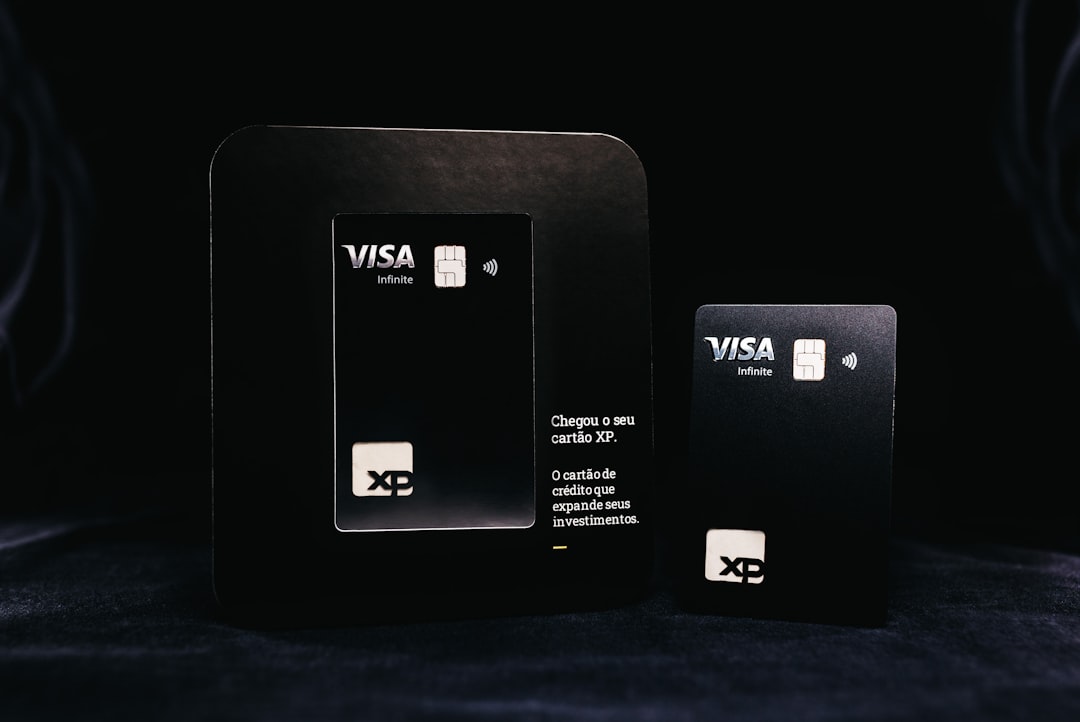
Generation Z faces a financial reckoning. Credit card debt among Americans aged 18-26 has surged 47% since 2021, according to Federal Reserve data. Delinquency rates are climbing faster than any other age group. And the consequences extend far beyond individual bank accounts.
The numbers tell a stark story. Average credit card balances for Gen Z cardholders hit $3,328 in Q3 2024, up from $2,282 just three years earlier. TransUnion reports that serious delinquencies (90+ days past due) among this demographic increased 34% year-over-year. These aren’t abstract statistics. They represent millions of young adults trapped in high-interest debt cycles before their careers have properly begun.
The Perfect Storm Creating Gen Z Debt
Several factors converged to produce this crisis. None of them are simple.
Inflation hit Gen Z particularly hard. Rent prices increased 33% nationally between 2019 and 2024. Entry-level wages didn’t keep pace. The Federal Reserve Bank of New York found that 43% of recent graduates earn below their expected salary, creating immediate cash flow problems.
Credit card APRs reached historic highs. The average rate exceeded 24% in late 2024, with many Gen Z cardholders paying rates above 29% due to limited credit history. A $3,000 balance at 28% APR generates $840 in annual interest charges alone. Making minimum payments, that balance takes over 10 years to eliminate and costs more than $5,200 in total interest.
Then there’s the accessibility issue. Credit card companies have aggressively marketed to younger consumers through social media, offering sign-up bonuses and “starter” cards. A Bankrate survey found that 68% of Gen Z cardholders received their first card before age 21. Many did so without understanding compounding interest or minimum payment traps.
Financial Literacy Gaps Compound the Problem
Here’s something uncomfortable: most young Americans receive zero formal education about credit cards before obtaining one.
Only 23 states require personal finance courses in high school. The content varies wildly. A 2024 FINRA Foundation study revealed that 57% of Gen Z respondents couldn’t correctly calculate how long it would take to pay off a credit card balance making minimum payments. Another 41% didn’t understand that carrying a balance incurs interest charges.
This knowledge gap has tangible consequences. Young consumers often view credit limits as spending power rather than debt capacity. The “buy now, pay later” mentality, reinforced by BNPL services, normalizes splitting purchases across time without considering cumulative financial impact.
Social media amplifies these patterns. Instagram and TikTok showcase lifestyles funded by credit. Financial “finfluencers” sometimes promote cards based on affiliate relationships rather than consumer benefit. The pressure to maintain appearances-trips, restaurants, fashion-pushes many Gen Z consumers toward credit dependency.
The Delinquency Spiral
Missed payments trigger a cascade of financial damage.
First comes the late fee, typically $30-40 per occurrence. Then the penalty APR kicks in, often exceeding 29%. Credit scores drop, sometimes by 100 points or more for a single 30-day late payment. That damaged score increases costs across all future borrowing-auto loans, mortgages, even apartment applications.
Many Gen Z consumers don’t realize how interconnected these systems are. A 2024 Experian report showed that the average Gen Z credit score (679) falls 33 points below the national average. Lower scores mean higher insurance premiums, larger security deposits, and reduced employment opportunities in positions requiring credit checks.
The psychological toll compounds the financial damage. A Thriving Wallet survey found that 73% of Gen Z adults report “significant anxiety” about their financial situation. Debt-related stress correlates with reduced productivity, relationship strain, and declining mental health outcomes.
High Interest Rates: The Silent Multiplier
Credit card interest rates deserve special attention because they’re uniquely punishing.
Unlike mortgages or auto loans, credit card debt carries variable rates that fluctuate with the federal funds rate. The Fed’s aggressive rate increases since 2022 pushed average credit card APRs up roughly 5 percentage points. For Gen Z cardholders already carrying balances, this meant hundreds of dollars in additional annual interest charges.
Compounding works against borrowers with particular efficiency on credit cards. Interest accrues daily on most accounts. Payments apply first to interest, then principal. The math creates situations where someone paying $100 monthly on a $3,000 balance at 27% APR actually sees their debt increase during months when additional charges occur.
Some perspective: at 27% APR, a credit card balance doubles in roughly 2. 7 years if left unpaid. Student loans at 5-7% take 10-14 years to double. The disparity explains why credit card debt can spiral so quickly for young consumers juggling multiple financial obligations.
Structural Issues Beyond Individual Choices
Focusing solely on Gen Z behavior misses broader systemic factors.
Wage stagnation affects younger workers disproportionately. Median starting salaries for college graduates increased 4% between 2019 and 2024. Consumer prices rose 21% during that period. The purchasing power gap forced many young adults to use credit cards for necessities-not luxuries.
Healthcare costs contribute significantly. Gen Z faces higher insurance premiums than previous generations at comparable ages. A Kaiser Family Foundation analysis found that adults 18-26 paid 23% more for individual health coverage in 2024 than the same age group paid in 2019 (inflation-adjusted). Medical debt frequently lands on credit cards at high APRs.
Housing affordability plays a major role. Median rent now consumes 30%+ of gross income for most urban Gen Z renters. That percentage leaves little margin for emergencies. When unexpected expenses arise-car repairs, medical bills, job transitions-credit cards become the default solution.
What Card Issuers Could Do Differently
Credit card companies bear some responsibility for the current situation.
Marketing practices often emphasize rewards while minimizing interest rate disclosures. Sign-up bonuses encourage applications regardless of whether the product suits the consumer’s financial situation. Balance transfer offers with 0% promotional rates can trap cardholders in deferred interest arrangements they don’t fully understand.
Some issuers have introduced features targeting financial wellness. Real-time payment alerts, spending categorization, and automatic payment options help consumers stay current. But these tools remain optional, and the fundamental product design still incentivizes carrying balances.
Regulatory oversight has tightened somewhat. The Credit Card Accountability Responsibility and Disclosure (CARD) Act of 2009 restricted marketing to consumers under 21 and required clearer disclosures. But enforcement gaps persist, and digital marketing channels have created new pathways to reach young consumers.
Practical Steps for Gen Z Cardholders
Recovery from credit card debt requires strategy, not just willpower.
Balance transfer cards offer temporary relief-0% APR periods typically last 12-21 months. The catch: balance transfer fees (usually 3-5%) and the danger of accumulating new debt on original cards. Used carefully, these products can save hundreds in interest and accelerate payoff timelines.
Debt consolidation loans convert high-interest credit card balances into fixed-rate installment loans. Average personal loan rates hover around 12-14% for borrowers with fair credit-significantly below credit card APRs. Monthly payments become predictable, and the loan structure forces a defined payoff date.
Negotiating directly with issuers works more often than consumers expect. Hardship programs can temporarily reduce interest rates or minimum payments. Settlement options exist for seriously delinquent accounts, though they damage credit scores and may trigger tax liability.
The Broader Economic Implications
Gen Z’s credit card crisis carries macroeconomic significance.
Consumer spending drives roughly 70% of U. S - gDP. If an entire generation enters prime earning years saddled with high-interest debt, their spending power diminishes accordingly. Delayed household formation, reduced homeownership rates, and decreased retirement savings all follow from persistent credit card debt.
Credit markets feel the effects too. Rising delinquencies force card issuers to increase loss reserves, potentially tightening credit availability. The same young consumers who need credit access to build financial stability may find themselves locked out of reasonable terms.
Something has to shift. Either wages need to rise, interest rates need to fall, or structural changes to credit card products must occur. The current trajectory isn’t sustainable for Gen Z consumers or the financial institutions extending them credit.