Grocery Rewards Cards: Maximize Savings at the Supermarket
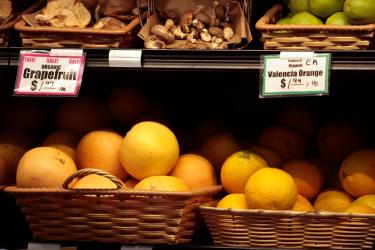
Grocery shopping accounts for roughly 10% of the average American household budget. That’s a significant chunk of change leaving wallets each month-and an opportunity smart consumers are learning to claw back through rewards credit cards designed specifically for supermarket spending.
The math is straightforward. A family spending $800 monthly on groceries with a 6% cashback card earns $576 annually. That’s real money, not points with murky redemption values.
How Grocery Rewards Cards Actually Work
Most rewards cards offer tiered cashback structures. Base spending might earn 1% everywhere, but grocery purchases trigger bonus rates between 3% and 6%. The catch? These elevated rates typically come with annual caps ranging from $6,000 to $25,000 in qualifying purchases.
The Blue Cash Preferred Card from American Express has dominated this category for years, offering 6% back at U. S. supermarkets on up to $6,000 per year in purchases, then 1% after that. Its $95 annual fee sounds steep until running the numbers: spending just $159 monthly on groceries covers that fee entirely. Everything beyond that threshold represents pure profit.
But Amex isn’t the only player. Capital One’s SavorOne Cash Rewards delivers 3% on groceries with no annual fee and no spending cap. For families with grocery bills exceeding $500 monthly, this unlimited structure sometimes outperforms capped alternatives.
What Counts as a Grocery Store Purchase
Here’s where consumers get tripped up. Card issuers rely on merchant category codes (MCCs) to determine bonus eligibility. Supermarkets like Kroger, Safeway, and Publix consistently code correctly. But warehouse clubs - target? Walmart? These retailers typically fall outside grocery bonus categories.
Costco codes as a warehouse club (MCC 5300), not a supermarket. Same with Sam’s Club and BJ’s. Consumers expecting 6% back on their Costco haul will receive the base 1% instead. Target and Walmart, despite selling groceries, code as general merchandise stores.
Some exceptions exist. Walmart Neighborhood Markets sometimes trigger grocery bonuses. Amazon Fresh and Whole Foods may qualify depending on the card issuer’s specific merchant list.
The safest approach - test purchases. Charge $10 to your rewards card at questionable retailers, then check your statement to see which category applied.
Comparing the Top Grocery Rewards Options
The market offers distinct paths depending on spending patterns and fee tolerance.
High-volume shoppers benefit most from premium cards with annual fees. Beyond the Blue Cash Preferred, consider the American Express Gold Card. Its 4 Membership Rewards points per dollar at supermarkets (on up to $25,000 annually) translates to roughly 4-6% value when points are transferred to airline partners. The $250 annual fee gets offset by monthly dining and Uber credits.
Moderate spenders should examine no-annual-fee options. The Blue Cash Everyday Card offers 3% at supermarkets on the first $6,000 annually. The Citi Custom Cash Card delivers 5% back on your top eligible spend category each billing cycle (up to $500), automatically adjusting to wherever you spend most.
Budget-conscious families might prefer flat-rate simplicity. Cards like the Citi Double Cash (2% on everything) eliminate category tracking entirely. Less optimization potential, but zero cognitive overhead.
Breaking Down Annual Returns
Assume $600 monthly grocery spending ($7,200 annually):
- Blue Cash Preferred: $360 (6% on $6k) + $12 (1% on $1. 2k) - $95 fee = $277 net
- Blue Cash Everyday: $180 (3% on $6k) + $12 (1% on $1.
The premium card wins at $600/month. But drop that to $400 monthly and no-fee options pull ahead.
Beyond Cashback: Secondary Benefits Worth Considering
Raw cashback percentages don’t tell the complete story. Premium grocery cards often bundle additional perks that compound value.
Amex cards include purchase protection covering theft and damage for 90-120 days. Extended warranty coverage adds up to two years beyond manufacturer guarantees. Return protection reimburses purchases that retailers refuse to take back.
Some issuers partner with grocery delivery services. The Amex Gold Card includes up to $10 monthly in Uber Cash, usable for Uber Eats grocery delivery. The Chase Sapphire Preferred offers DoorDash DashPass membership, providing free delivery on orders above $12.
Foreign transaction fees matter for specialty grocery shopping. Cards charging 3% on international purchases effectively wipe out rewards when ordering imported foods online from overseas retailers.
Common Mistakes That Destroy Grocery Card Value
Carrying a balance annihilates any rewards benefit. A card offering 6% cashback becomes a money-loser when 24% APR interest accumulates. Pay statement balances in full monthly-no exceptions.
Forgetting spending caps leads to disappointing statements. Track quarterly spending against annual limits. Once caps are reached, switching to an unlimited flat-rate card for remaining purchases preserves optimization.
Ignoring category restrictions wastes potential earnings. Purchasing gift cards for non-grocery retailers at supermarkets technically codes as grocery spending with most issuers-a legitimate arbitrage opportunity. But some cards specifically exclude gift card purchases from bonus categories.
Chasing signup bonuses without considering ongoing value leaves money on the table. A card offering $200 for spending $500 sounds attractive, but weak ongoing rates mean switching after the bonus period to a superior long-term earner.
Strategic Approaches for Maximum Returns
Serious optimizers employ multiple cards simultaneously. One dedicated grocery card captures supermarket spending. A separate card handles warehouse clubs. A third manages general purchases.
This strategy requires organization. Spreadsheets tracking spending by category, calendar reminders when caps approach, and annual reviews comparing actual earnings against alternatives.
Simpler alternative: pick one strong grocery card and accept minor inefficiencies elsewhere. The Blue Cash Preferred plus any 2% flat-rate card covers most scenarios adequately.
Timing applications around major expenses amplifies signup bonuses. Hitting minimum spend requirements through regular grocery shopping-rather than manufacturing unnecessary purchases-maintains healthy financial habits while capturing introductory offers.
What the Data Shows About Real-World Usage
According to the Bureau of Labor Statistics, the average American household spent $5,259 on food at home in 2022. Higher-income households averaged $8,000+. Urban families in expensive metros often exceed $10,000 annually.
Credit card companies report grocery as the most common category for elevated rewards usage. Roughly 68% of cashback card holders prioritize grocery bonuses over dining, gas, or travel categories.
Issuers have responded by tightening caps and reducing rates over the past decade. The original Blue Cash Preferred launched with 6% uncapped-now limited to $6,000. Monitoring terms annually catches unfavorable changes before they impact earnings significantly.
Choosing the Right Card for Different Situations
Single adults spending $300 monthly on groceries should avoid premium annual-fee cards. The Blue Cash Everyday or SavorOne delivers maximum value without fee drag.
Families with $600+ monthly grocery bills justify the Blue Cash Preferred’s annual fee through superior net returns. Those spending $1,000+ monthly should consider adding the Amex Gold for its higher cap, despite the larger annual fee.
Frequent Costco shoppers need the Costco Anywhere Visa-2% back on Costco purchases specifically, plus 3% on restaurants and travel. No other card offers elevated rates at warehouse clubs.
Small business owners buying groceries for offices or events might explore business cards. The Ink Business Cash offers 5% at office supply stores where grocery gift cards can sometimes be purchased.
The Bottom Line on Grocery Rewards
Grocery rewards cards represent one of the most accessible optimization opportunities in personal finance. Unlike travel rewards requiring complex redemption strategies, cashback hits accounts directly as statement credits.
The best card depends entirely on individual spending patterns. Run actual numbers using bank statements from the past three months. Calculate expected returns from different cards after factoring annual fees. Then commit to one strategy and track results.
For most households, a 3-6% return on an unavoidable expense category shouldn’t be left on the table. The application takes ten minutes - the payoff continues for years.