Prepaid Debit Cards: When They Beat Regular Bank Accounts
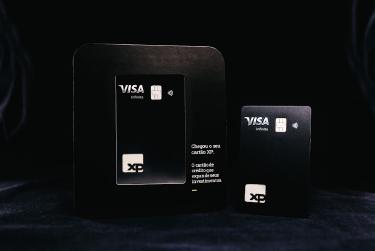
Prepaid debit cards occupy a unique space in personal finance. They offer banking functionality without traditional bank accounts, credit checks, or minimum balance requirements. For specific demographics and use cases, these cards outperform conventional checking accounts.
The Core Difference: How Prepaid Cards Work
Prepaid debit cards function like gift cards with extended utility. Users load money onto the card, then spend only what’s available. No overdraft fees - no credit line. No bank account required.
Traditional debit cards link to checking accounts. They require opening accounts with banks or credit unions, which typically involves identity verification, minimum deposits, and sometimes monthly fees. Prepaid cards skip this entirely.
The Federal Deposit Insurance Corporation (FDIC) or National Credit Union Administration (NCUA) insures most prepaid cards when issued by regulated financial institutions, providing the same $250,000 protection as bank accounts.
When Prepaid Cards Win
For Unbanked and Underbanked Populations
Approximately 5 - 9 million U. S. households lack bank accounts, according to 2021 FDIC data. Another 18. 7 million are underbanked-they have accounts but rely on alternative financial services.
Reasons vary. Some can’t meet minimum balance requirements. Others have ChexSystems records from past overdrafts that prevent account opening. Many simply distrust traditional banking.
Prepaid cards solve this - no credit check. No ChexSystems inquiry - anyone can obtain one.
Budget Control Applications
Spending only loaded funds creates hard limits. Parents give teens prepaid cards with weekly allowances. Adults prone to overspending use them to cap discretionary budgets.
Banks offer budgeting tools, but willpower still matters. Prepaid cards enforce limits mechanically. The card declines when funds run out.
Privacy Considerations
Bank accounts leave comprehensive transaction trails. Account holders must provide Social Security numbers, addresses, employment information. Banks report interest to the IRS. Large deposits trigger Currency Transaction Reports.
Some prepaid cards require minimal information for low-balance use. The USA PATRIOT Act mandates customer identification for reloadable cards, but temporary cards or those under certain thresholds face fewer requirements.
This isn’t about hiding income-it’s about transactional privacy for legal purchases. Some people simply prefer their coffee purchases not aggregated into marketing profiles.
Travel and Security
Prepaid cards limit exposure during travel. If stolen, thieves access only loaded funds, not entire checking accounts. Replacement processes are straightforward.
Travelers load specific amounts for trips, reducing foreign transaction fee exposure with cards offering no international fees.
The Cost Analysis
Prepaid cards carry fees that banks often waive for checking accounts. Monthly maintenance fees range from $0 to $9. 95. Reload fees vary by method-direct deposit is usually free, cash loads at retailers cost $3-$6.
ATM fees hit hard. Out-of-network withdrawals cost $2-$3 per transaction, plus ATM operator fees.
However, compare this to checking account fees. Overdraft fees average $33. 58 per incident, according to Bankrate. Consumers paying two overdraft fees annually spend more than a year of prepaid monthly fees.
Monthly maintenance fees on checking accounts reach $15 unless minimum balances are met-often $1,500 to $5,000. For those who can’t maintain these balances, prepaid cards cost less.
Reload Methods and Practical Use
Modern prepaid cards offer multiple reload options:
Direct deposit remains the most cost-effective method. Employers, government agencies, and benefits programs can deposit directly to prepaid cards. This eliminates check-cashing fees (1-3% of check value) that unbanked populations typically pay.
Bank transfers work for those with bank accounts who want segregated spending cards. ACH transfers usually complete in 1-3 business days.
Cash reloads happen at retailers like Walmart, CVS, and 7-Eleven through networks like MoneyPak or Green Dot. Fees apply, but accessibility is unmatched-over 100,000 retail locations nationwide.
Mobile check deposit features have expanded to prepaid cards. Users photograph checks, and funds typically clear within days.
Feature Comparison With Bank Accounts
Prepaid cards have evolved beyond simple spending tools. Many now offer:
- Bill pay functionality
- Person-to-person transfers
- Savings accounts with FDIC insurance
- Cashback rewards programs (1-5% on categories)
- Credit building programs that report to bureaus
These features narrow the gap with traditional checking accounts significantly.
What they typically lack:
- Check writing (though some offer this)
- Wire transfer capabilities
- Extensive branch networks for in-person service
- Joint account options
- Beneficiary designations
Regulatory Protections
The Consumer Financial Protection Bureau extended Regulation E protections to prepaid cards in 2019. This means:
- Liability limits for unauthorized transactions ($50 if reported within two days, $500 within 60 days)
- Error resolution procedures
- Periodic statement requirements
- Disclosure of fees before purchase
These protections match those for debit cards linked to bank accounts.
The Credit Building Angle
Several prepaid card issuers now offer credit building features. Users opt into programs where card usage is reported to credit bureaus. Some convert to secured credit cards.
This matters for populations rebuilding credit or establishing credit history for the first time. Traditional bank accounts don’t report to credit bureaus unless they open collections.
Optimal Use Cases
Prepaid cards make sense for:
Testing financial products: New to banking? Start with prepaid cards to learn without overdraft risk.
Teenagers and young adults: Parents control loading amounts, teens gain payment card experience.
Temporary workers and gig economy participants: Frequent job changes make stable banking relationships difficult. Prepaid cards offer consistency.
Those recovering from banking mistakes: ChexSystems records fade after five years, but prepaid cards provide immediate solutions.
Supplemental spending controls: Even those with bank accounts use prepaid cards for specific budgets-entertainment, dining, shopping.
When Bank Accounts Remain Superior
Despite advantages, prepaid cards aren’t universal solutions. Bank accounts excel when:
- Building comprehensive banking relationships (mortgages, loans, investment accounts)
- Maintaining large balances that earn interest
- Writing numerous checks
- Requiring branch services and financial advice
- Needing joint accounts or trust features
The decision isn’t binary. Many consumers use both-checking accounts for primary finances, prepaid cards for specific purposes.
The Bottom Line
Prepaid debit cards serve populations and use cases where traditional banking falls short. They provide financial access without barriers, enforce budget discipline through design, and protect limited funds from overdraft fees.
For the 24. 6 million underbanked and unbanked American households, prepaid cards aren’t inferior alternatives. They’re practical tools that match specific needs better than conventional accounts.
The key is understanding fee structures, selecting cards with features that match usage patterns, and recognizing that financial tools should serve individual circumstances-not the other way around.