Split Card: BNPL Alternative Gaining Traction
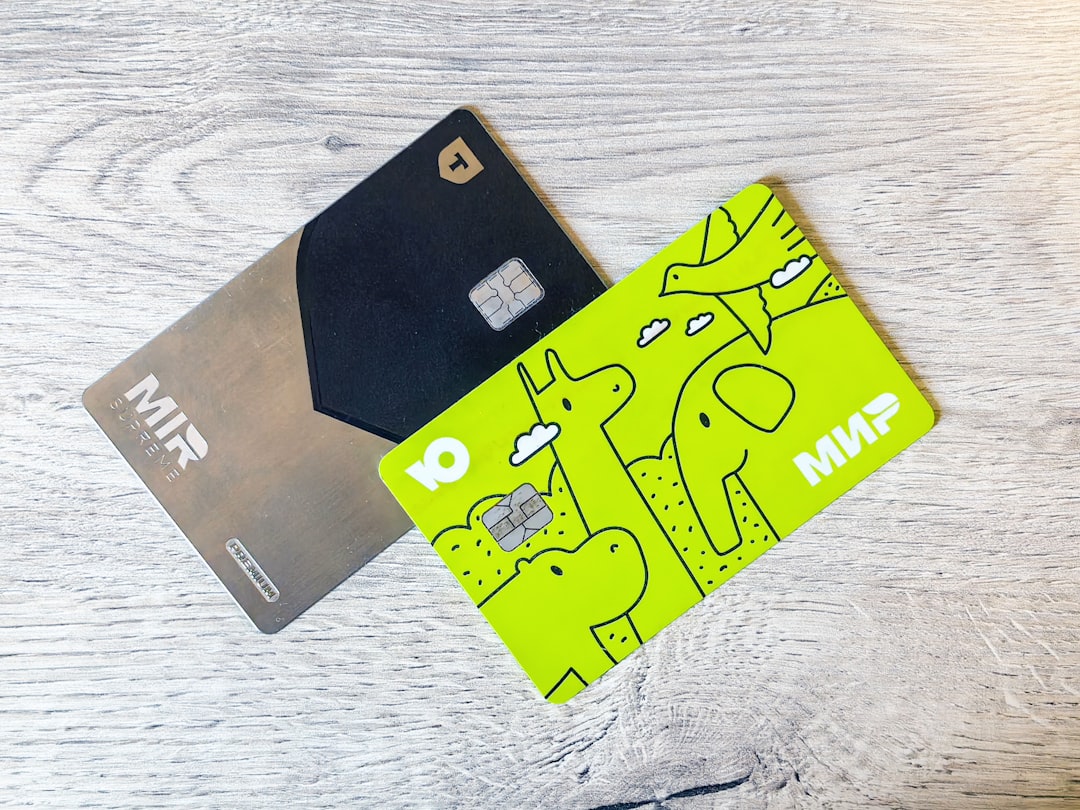
The buy now, pay later (BNPL) market has exploded over the past five years. Klarna, Affirm, Afterpay-these names have become household staples for online shoppers who want to spread out payments without traditional credit card interest. But a newer entrant is quietly reshaping the conversation: Split Card.
Unlike standalone BNPL services that work only with specific merchants, Split Card operates as an actual credit card with built-in installment flexibility. It’s a hybrid approach that’s catching the attention of consumers frustrated by BNPL limitations and traditional credit card rigidity.
What Makes Split Card Different
Traditional BNPL works like this: you checkout at a participating retailer, the BNPL provider pays the merchant, and you repay in fixed installments (typically four payments over six weeks). Simple enough - the problem? Not every retailer accepts every BNPL service. And if you miss a payment, late fees stack up fast.
Split Card flips this model. Cardholders receive a Visa or Mastercard that works anywhere those networks are accepted. After making a purchase, users open the Split Card app and choose which transactions to convert into installment plans. Everything else functions like a normal credit card with a monthly balance.
This flexibility matters. A 2024 report from McKinsey found that 43% of BNPL users abandoned purchases because their preferred payment option wasn’t at checkout. Split Card eliminates that friction entirely.
The Economics Behind the Product
How does Split Card make money? Three primary revenue streams:
**Interchange fees. ** Every card swipe generates revenue from merchants-typically 1. 5% to 3% of the transaction. This is standard credit card economics.
**Installment interest. ** When users split purchases into longer payment plans (beyond the interest-free window), Split Card charges APRs ranging from 12% to 24%, depending on creditworthiness. Lower than most traditional credit cards, which average 22. 8% according to Bankrate’s December 2024 data.
**Subscription tiers. ** The base card is free, but premium tiers ($9. 99/month) offer extended interest-free periods, higher credit limits, and cash back on installment purchases.
The company claims their default rate sits at 2. 1%-notably lower than the BNPL industry average of 4. 7% reported by the Consumer Financial Protection Bureau. Why the difference - credit checks. Unlike most BNPL services that rely on soft pulls or algorithmic approvals, Split Card requires a hard credit inquiry and reports to all three bureaus. This attracts users with established credit histories rather than subprime borrowers.
Who’s Actually Using This
The target demographic skews older than typical BNPL users. While Affirm and Klarna dominate the 18-34 age bracket, Split Card’s user base averages 38 years old with household incomes above $75,000.
These aren’t people who can’t afford purchases outright. They’re strategic about cash flow. A $2,400 appliance purchase might make more sense as six $400 payments, even if the buyer has the full amount available. Keeps cash liquid for emergencies or investment.
Small business owners represent another growing segment. The card allows them to manage inventory purchases without tying up working capital, then split payments as receivables come in.
Comparing Split Card to Traditional Options
| Feature | Split Card | Traditional BNPL | Standard Credit Card |
|---|---|---|---|
| Merchant acceptance | Universal (Visa/MC) | Limited partners | Universal |
| Credit reporting | Yes | Varies | Yes |
| Installment flexibility | Per-transaction choice | Fixed terms | Balance-based |
| Interest-free period | 30-90 days | Typically 6 weeks | 21-25 days |
| Credit limit | $500-$25,000 | Per-transaction | $500-$50,000+ |
| Annual fee | $0-$119 | $0 | $0-$695 |
The hybrid model isn’t perfect. Users who want completely interest-free financing might find BNPL’s structured approach simpler. And those with excellent credit can often secure 0% APR promotional offers from traditional issuers that beat Split Card’s terms.
But for the middle ground-people who want flexibility without juggling multiple BNPL accounts-the proposition works.
Regulatory Tailwinds and Headwinds
The CFPB has been circling BNPL providers for years. A May 2024 interpretive rule classified BNPL loans as credit cards under Regulation Z, requiring providers to offer dispute resolution rights, refund protections, and billing statement disclosures.
Split Card, already operating as a regulated credit card issuer, didn’t need to change much. Competitors scrambled to comply. This regulatory clarity actually benefits Split Card’s positioning-they can market themselves as the “already compliant” alternative.
State-level regulation presents more complexity. Some states cap installment loan rates below Split Card’s APR range. The company geo-fences certain features accordingly, offering interest-free-only plans in states with restrictive usury laws.
The Credit Building Angle
One underrated aspect: Split Card reports all activity to Equifax, Experian, and TransUnion. Payment history, utilization, account age-everything that builds credit scores.
Most BNPL services don’t report on-time payments (though some are starting to). For users trying to establish or rebuild credit, Split Card offers a path that traditional BNPL doesn’t. Make your installment payments on time, keep utilization reasonable, and your score benefits.
This matters especially for younger users. A 2023 Experian study found that 67% of Gen Z respondents didn’t understand that BNPL usage typically doesn’t help build credit. Split Card addresses that knowledge gap directly in their marketing.
Potential Downsides Worth Noting
No product is flawless. Several criticisms have emerged:
**Lower credit limits initially. ** New cardholders often receive limits between $500-$2,000, regardless of income. Limits increase with usage history, but the starting point frustrates some users.
**App dependency. ** Converting purchases to installments requires the mobile app. No web interface exists yet - users uncomfortable with app. based financial management find this limiting.
**Installment minimums. ** Purchases under $100 can’t be split. This eliminates the “pay in four” microfinancing that makes BNPL attractive for smaller everyday purchases.
**Credit inquiry impact. ** The hard pull required for approval dings credit scores temporarily (typically 5-10 points). Users applying for mortgages or auto loans might want to wait.
Market Position Going Forward
Split Card raised $180 million in Series C funding in September 2024, valuing the company at $1. 4 billion. Not quite unicorn territory yet, but close. The funding will expand merchant partnerships (they’re negotiating enhanced cash back rates with retail chains) and build out the web platform.
Competition is heating up. Apple announced a “Pay Later” installment feature integrated with Apple Card. Chase introduced “My Chase Plan” for post-purchase installment conversion. These established players have distribution advantages Split Card can’t match.
But the startup has something incumbents don’t: a clean-sheet design built around installment flexibility rather than retrofitted onto existing products. That architectural advantage shows in user experience. The app’s transaction-splitting interface takes about eight seconds to use. Chase’s equivalent requires handling multiple menus.
Bottom Line
Split Card occupies an interesting middle ground. It’s not replacing your primary credit card for rewards optimization. It’s not the cheapest financing option for users with excellent credit. And it’s not as frictionless as traditional BNPL for small impulse purchases.
What it offers: a single card that works everywhere, with granular control over which purchases become installment plans. For users tired of managing multiple BNPL accounts or frustrated by merchant limitations, that simplicity has real value.
The product works best for consumers who make occasional large purchases ($500-$5,000 range), want to preserve cash flow without paying traditional credit card interest rates,. Prefer having everything consolidated on one statement. If that describes your financial behavior, Split Card deserves a spot on your radar.