T-Mobile Credit Card Launch with Capital One - No Annual Fees
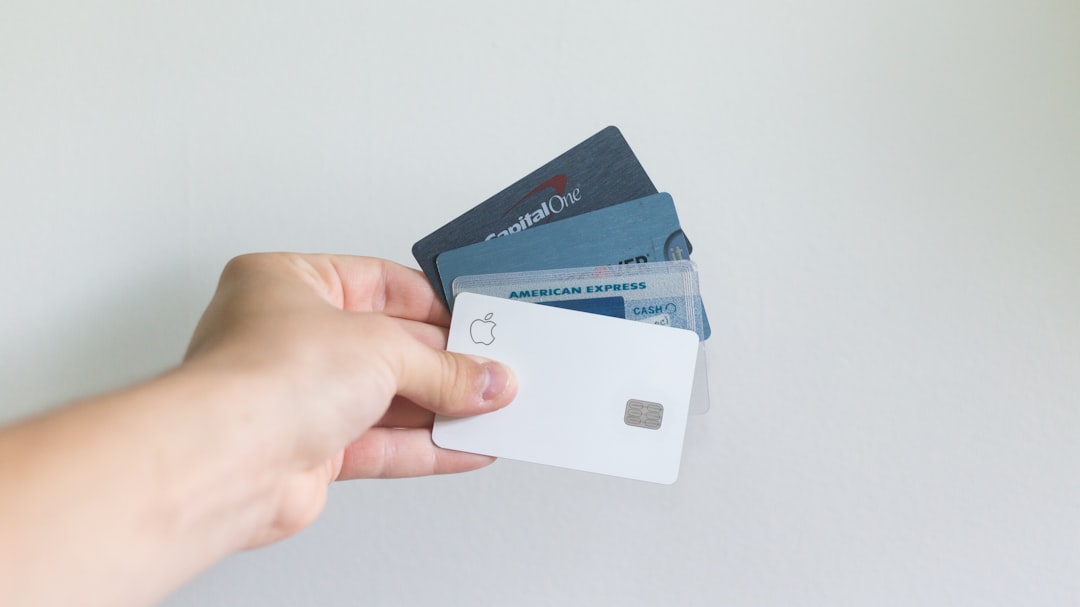
T-Mobile and Capital One announced a new co-branded credit card partnership in late 2024, marking a significant move in the telecom-fintech space. The card carries no annual fee-a detail that matters more than most marketing materials let on.
This partnership puts T-Mobile in direct competition with Verizon’s longstanding Visa card program and positions Capital One as the preferred issuer for one of America’s largest wireless carriers. But what does this actually mean for consumers considering the card?
The Partnership Structure
Capital One will serve as the exclusive issuer for T-Mobile’s credit card program, replacing the carrier’s previous financial products. The arrangement follows a familiar playbook: telecom company provides the customer base and brand recognition, while the bank handles underwriting, servicing, and regulatory compliance.
T-Mobile customers-both consumer and business-will be eligible to apply. The card integrates with T-Mobile’s existing rewards system, which already includes Tuesday perks and various partner discounts.
Here’s where it gets interesting. Capital One brings significant infrastructure advantages to the table. Their tech stack handles real-time fraud detection, instant card number generation for digital wallets, and a mobile app that consistently ranks among the highest-rated in banking. T-Mobile gets access to all of this without building it themselves.
Rewards and Benefits Breakdown
The T-Mobile Capital One card offers a tiered cashback structure:
- 5% back on T-Mobile purchases (including monthly bills, device payments, and accessories)
- 2% at restaurants and gas stations
- 1% on everything else
These rates land squarely in competitive territory. The 5% on T-Mobile spending creates genuine value for customers already committed to the carrier. A family paying $200 monthly for wireless service would earn $120 annually on that spend alone.
The restaurant and gas categories at 2% match what most no-annual-fee cards offer. Nothing new there. But combined with the T-Mobile bonus, the total value strengthens considerably.
★ Insight ─────────────────────────────────────
Co-branded telecom cards work because wireless bills create predictable, recurring spend. Unlike retail store cards where customers might shop infrequently, phone bills hit every single month. This creates sticky relationships-cardholders keep the card active because canceling means losing rewards on expenses they can’t avoid.
No Annual Fee: Why It Matters
The decision to launch without an annual fee signals T-Mobile’s strategy: maximize adoption rather than extract premium pricing from a smaller user base.
Annual fee cards face a psychological barrier. Consumers must calculate whether rewards will exceed the fee before signing up. With a no-fee card, that math disappears. Someone spending modestly with T-Mobile still comes out ahead.
Capital One’s portfolio already includes several successful no-annual-fee products-the Quicksilver, SavorOne, and VentureOne cards all follow this model. They’ve proven that waiving fees can drive sufficient transaction volume to generate profit through interchange revenue.
For context: interchange fees (what merchants pay when you swipe) typically range from 1. 5% to 3% of each transaction. When Capital One earns 2% on your grocery purchase while paying you 1% back, they’ve captured the spread. Multiply that across millions of transactions and the economics work without annual fees.
How It Compares to Competitors
Verizon’s Visa card (issued by Synchrony Bank) offers similar telecom-focused rewards. Their structure provides Verizon Dollars redeemable for bill credits, device purchases, or accessories. The Verizon card also has no annual fee.
AT&T previously partnered with Citi for a co-branded card but has scaled back that program. Their current offerings focus more on installment financing for devices rather than traditional credit card rewards.
| Feature | T-Mobile/Capital One | Verizon Visa |
|---|---|---|
| Annual Fee | $0 | $0 |
| Wireless Rewards | 5% | Up to 4% |
| Restaurant Rate | 2% | 2% |
| Gas Rate | 2% | 2% |
| Sign-up Bonus | TBA | Varies |
| Issuer | Capital One | Synchrony |
The T-Mobile card’s 5% rate on carrier purchases edges out Verizon’s maximum 4%. That single percentage point adds up. On $2,400 annual wireless spending, it’s an extra $24-modest but real.
Capital One’s technology platform also gives T-Mobile an edge. Their app’s features, including virtual card numbers and spending insights, outperform Synchrony’s offerings. For customers who value digital banking experiences, this difference matters.
Eligibility and Application Process
Current T-Mobile customers receive priority access, though the card will eventually open to non-customers as well. Credit requirements haven’t been publicly specified, but Capital One’s historical underwriting suggests applicants will need at least fair credit (typically 640+) for approval.
The application process happens through T-Mobile’s app or website, with instant decisions for most applicants. Capital One’s pre-approval tool should also show the T-Mobile card eventually, letting potential applicants check their odds without a hard credit inquiry.
One wrinkle: Capital One limits most customers to two of their cards. If someone already holds a Venture and Savor, they may need to close one before applying for the T-Mobile card. This restriction doesn’t apply to co-branded products from other issuers.
Strategic Implications for T-Mobile
This partnership reflects T-Mobile’s broader ambition to become more than a wireless carrier. They’ve already launched T-Mobile Money (a mobile banking product with Customers Bank) and various insurance offerings. A co-branded credit card deepens that financial services footprint.
★ Insight ─────────────────────────────────────
Telecom companies chase financial products because they solve a fundamental problem: commoditization. Wireless service increasingly feels interchangeable to consumers. When every carrier offers unlimited data on the same networks, how do you differentiate? Financial products create switching costs and emotional attachment that wireless plans alone can’t match.
The data angle shouldn’t be ignored either. Credit card transactions reveal spending patterns that complement T-Mobile’s existing customer data. While privacy regulations limit how companies can use financial information, the strategic value of understanding customer behavior across categories remains significant.
Who Should Consider This Card
The T-Mobile Capital One card makes sense for:
**Heavy T-Mobile spenders. ** Families with multiple lines, device payment plans, and home internet through T-Mobile will see the most value from the 5% category.
**Existing Capital One customers. ** Adding another Capital One card consolidates rewards into a single system. Points earned across multiple cards can pool together.
**Simplicity seekers. ** The no-annual-fee structure means keeping the card open costs nothing, even during periods of light usage.
The card makes less sense for:
**Points maximizers. ** Dedicated rewards hackers can beat these rates with category-specific cards, though at the cost of complexity.
**Non-T-Mobile customers. ** Without the 5% wireless bonus, this becomes a fairly ordinary 2%/1% cashback card. Better options exist.
**Those near Capital One’s card limit. ** Burning a Capital One slot on a co-branded telecom card might not be optimal when products like the Venture X offer broader value.
The Bigger Picture
Co-branded credit cards have existed for decades, but the telecom sector only embraced them relatively recently. The logic follows a simple pattern: people need phones, phones require monthly payments, monthly payments create ongoing credit card transactions.
T-Mobile’s entrance with Capital One intensifies competition in this niche. Verizon now faces a competitor with arguably superior card technology. AT&T may need to reconsider their minimal presence in the space.
For consumers, more competition generally means better terms. Sign-up bonuses may increase as carriers fight for cardholders. Reward rates could tick upward. The no-annual-fee standard seems likely to hold across the category.
Whether this specific card belongs in your wallet depends on your T-Mobile relationship and spending patterns. But the partnership itself signals where telecom is headed: deeper into financial services, with credit cards as the entry point.